At a gardening event a couple of months ago I met a couple who told me that they didn’t believe in human induced global warming. This surprised me somewhat, while over the years I have met nongardening people who said they didn’t believe in it I assumed that food gardeners would be more in touch with nature and therefor more aware of our changing environment. Of course this is a naive notion, large sways of Australia’s farming community still do not believe that human induced global warming is occurring, but this encounter did make me think about my views on the matter, so I thought I would put them down in the form of this post.
Whether you believe or do not believe in human induced climate change is not a good way to measure its veracity. Afterall, you may or may not believe in what humans describe as gravity or that the earth is flat but walk off a cliff and you will soon realise that gravity does exist and I have yet to hear of a person who believes (yes there are such people) announcing that they have discovered the edge of the earth.
The right question to ask is whether you accept the scientific evidence that human activities (primarily the human burning of fossil fuels) are warming the Earth’s surface. I do accept it, some people reading this post may not. I accept it because there is an overwhelming consensus among climate scientists and major scientific bodies that the Earth’s climate is warming primarily due to human greenhouse gas emissions. Climate Scientists have devoted their lives to researching how climate impacts on our planet. By contrast the overwhelming majority opponents of human actions being the cause of global warming have little or no scientific training, to me accepting their views over that of climate scientists is akin to believing a plumber when he says he knows more about brain surgery than brain surgeons.
For more information on the extent of this consensus see the Wikipedia article: Scientific consensus on climate change.
While there is an overwhelming consensus among climate scientists about human induced global warming that does not mean that they agree about all aspects of this global warming process, particularly when it comes to computer modelling of future global warming trends. Climate scientists often get things wrong, but they are constantly striving to make climate prediction more accurate.
There has always been underlying natural climate change occurring that has significantly heated or cooled the planet at various times. The key factor being the Milankovitch cycles, which describe the collective effects of changes in the Earth’s movements on its climate over thousands of years. How much underlying natural climate change is occurring today is not clear, though its influence appears to be only minor in comparison to the impact of human induced global warming.
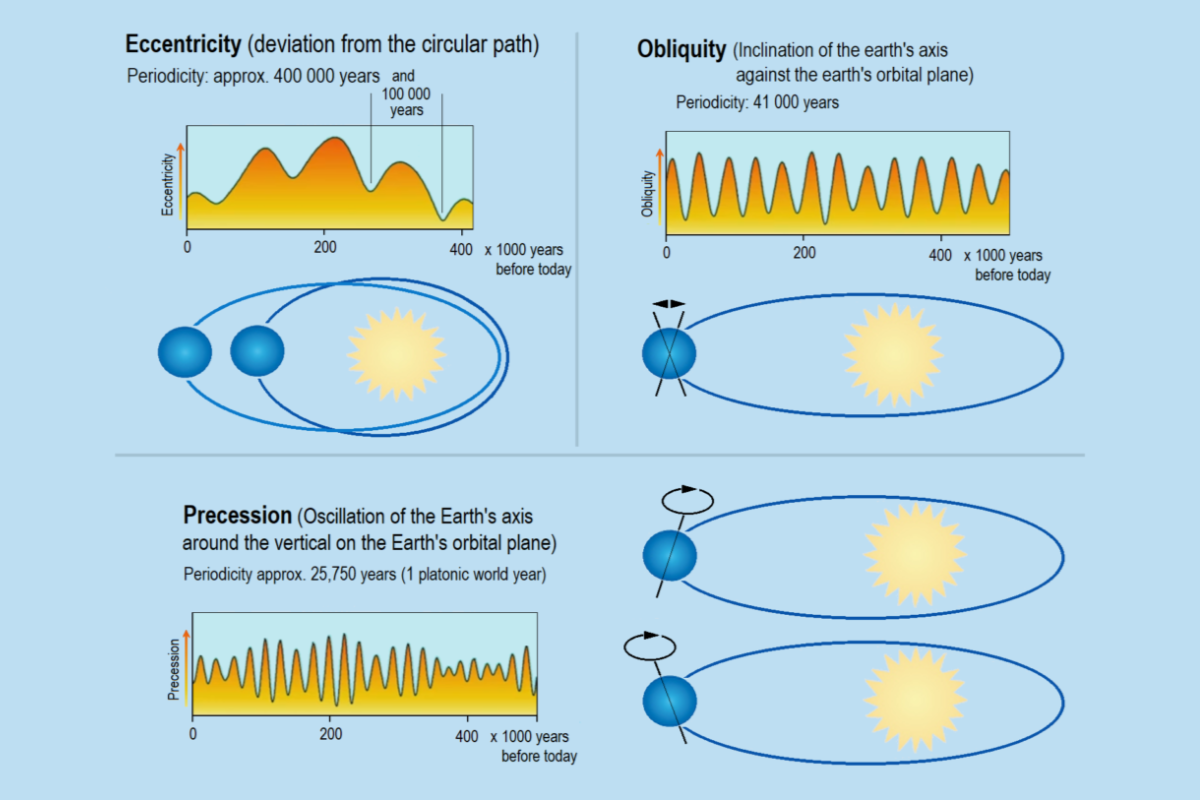
Illustration of the Milankovitch cycles, image courtesy of the Wikimedia Commons. The Milankovitch cycles have a constant influence on the planet’s long term climate patterns but its current influence is only minor in comparison to the impact of human induced global warming.
Human’s often don’t recognise global warming but nature does. For many years now in Australia warmer climate insects, animals and short life cycle plants have been steadily moving south, occupying spaces in the environment that were previously too cold for them. And cool climate animals and plants that can’t move south, such as our alpine snow gums are in steep decline due to severe dieback, frequent bushfires, and warming temperatures.
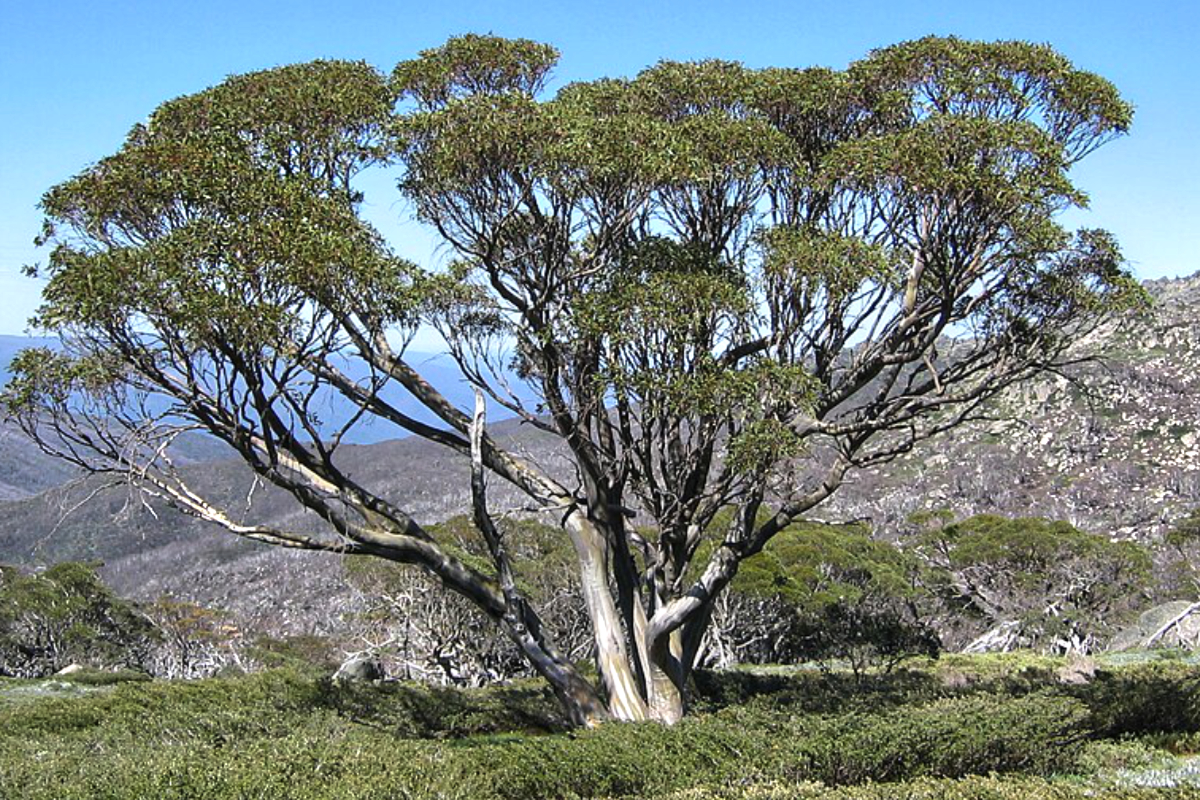
Photo of a snow gum in the Australian alps (image courtesy of the Wikimedia Commons). Alpine snow gums are in steep decline due to severe dieback, frequent bushfires, and warming temperatures.
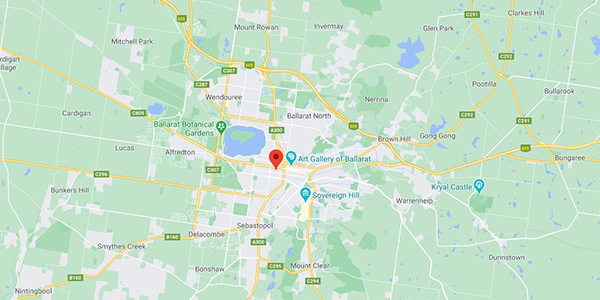
But even if I had lived in a bubble for the last 40 years and had never heard the term global warming or read, watched or listened to anything about global warming I still would be thinking what the f#ck is going on with the climate! Over the close to 40 years of food gardening in the one place (Ballarat, Australia) I have experienced numerous phenomenon that to me clearly indicate that at least this part of the planet is experiencing warmer seasons than when I first began gardening here. They are too numerous to list; however I have highlighted two of them as examples.
When we first moved to Ballarat 40 years ago there would usually be at least one light snowfall in winter and every two or three years a heavy enough snowfall for the snow to lay on the ground for several hours. In recent years there has been virtually no snowfalls and I can’t remember when snow last stayed on the ground. This does not mean that we won’t get heavy snow falls in Ballarat in the future, but what is does indicate is that the frequency of these falls has dropped significantly, which can only be put down to global warming.
In winter time when the soil temperature is low the grass remains largely dormant with no or only very sluggish growth. But as the weather warms up in spring there comes a point when the soil temperature has risen sufficiently (usually to about 15 ℃) that the grass begins to grow vigorously, accompanied by a cacophony of sound as gardeners mow their lawns. This rapid growth of the lawn is an indication that the soil is warm enough for warm season vegetable seeds to germinate and grow. Twenty five years ago that would usually occur around the second or third week of October, but in the past few years the grass has started to grow vigorously as early as the start of September, though subsequent bouts of very cold weather can accompany these very early warm spells. However the general trend is for the grass to begin to grow vigorously earlier than in the past.
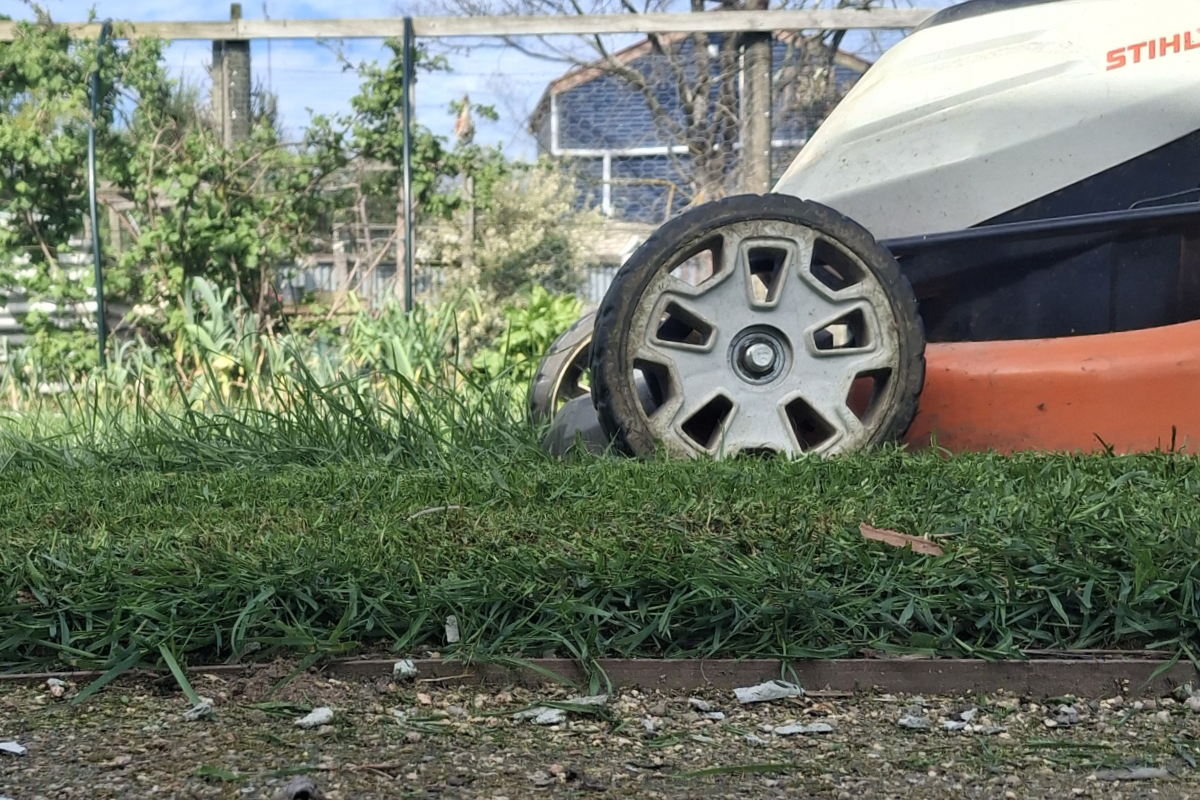
I have found that on average the period when grass begins to grow vigorously in the spring in Ballarat is earlier than it was 30 years ago.
Of course my personal global warming perceptions may be entirely wrong, they certainly will be partially wrong. That’s because how human perceive relative temperatures is notoriously unreliable. Below are some reasons why we are so often wrong when it comes to predicting temperature.
Ballarat’s average maximum temperatures vary by almost 15 deg from winter to summer and temperatures can vary from one day to the next by several degrees. According to temperature recordings the earth’s average surface temperature has risen by about 1.3°C since around 1900, which is an average of just .013 °C per year (though the average annual temperature has been rising more rapidly in recent years). Nestled amongst the daily fluctuations in temperature that is part of the natural weather pattern a less than .2 °C rise in the annual average temperature is largely undetectable by human senses.
The main problem humans have in predicting average air temperatures is that the base line we use to gauge temperature is a variable. If we have two months of average temperatures followed by a month of below average temperatures we consider that month to be colder than usual. But if those same two months had well above average temperatures and the third month had average temperatures we would still describe that third month as colder than usual. But in fact the month wasn’t that cold, it was just colder than the two previous months.
Today’s average temperatures are now being defined as the new cold because they are often sandwiched between much higher than average monthly temperatures. It is what I describe as average temperatures perception creep. The only truly accurate way to measure temperature is to monitor official weather records.
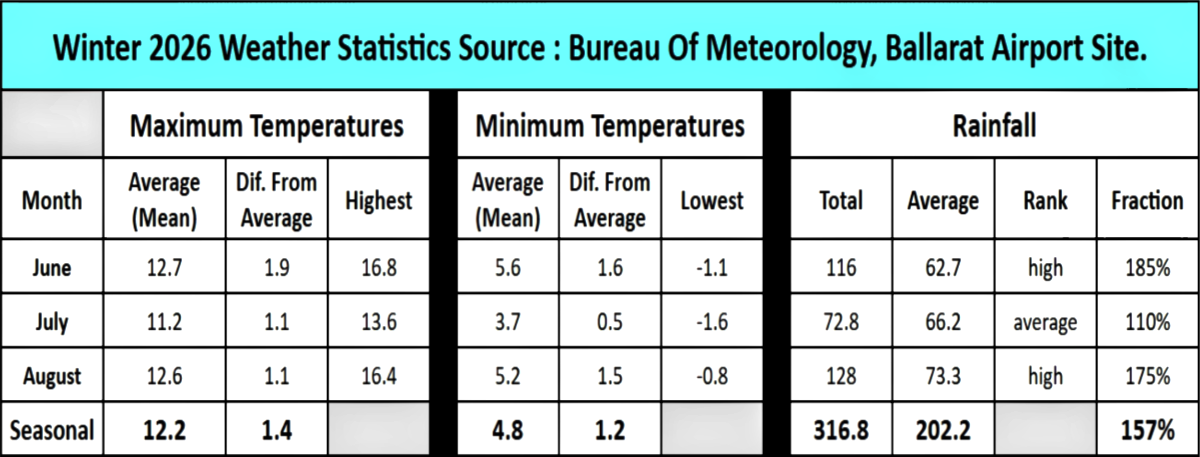
An example of recorded weather records. The only way to accurately gauge fluctuations in the climate is by viewing such records.
As individuals we have no direct influence on international policies to fight global warming but we can incorporate the subject in our everyday conversations, we won’t convince die hard global warming denialists but we may encourage those who aren’t fully aware of the problem to become more aware.
We can also try to live more sustainably (not easy in this modern world) and one way we can do that is grow more of our own food. Whether you have a large food garden like ours or you just grow a single tomato plant each year we can all do our bit. And above all remain positive, collectively we can make a difference.
My daughter Anna made this cross-stitch for me at the height of the COVID pandemic. I think it also has relevance to the current climate crisis.