Search

Urban Food Garden

URBAN FOOD GARDEN SEASON SUMMARY – Winter 2026

Season summary for my food garden in Ballarat (Victoria), Winter, 2026.  This is mainly of relevance to food gardeners in the Ballarat area, but it might be a useful comparison for those living further afield.

weather summary

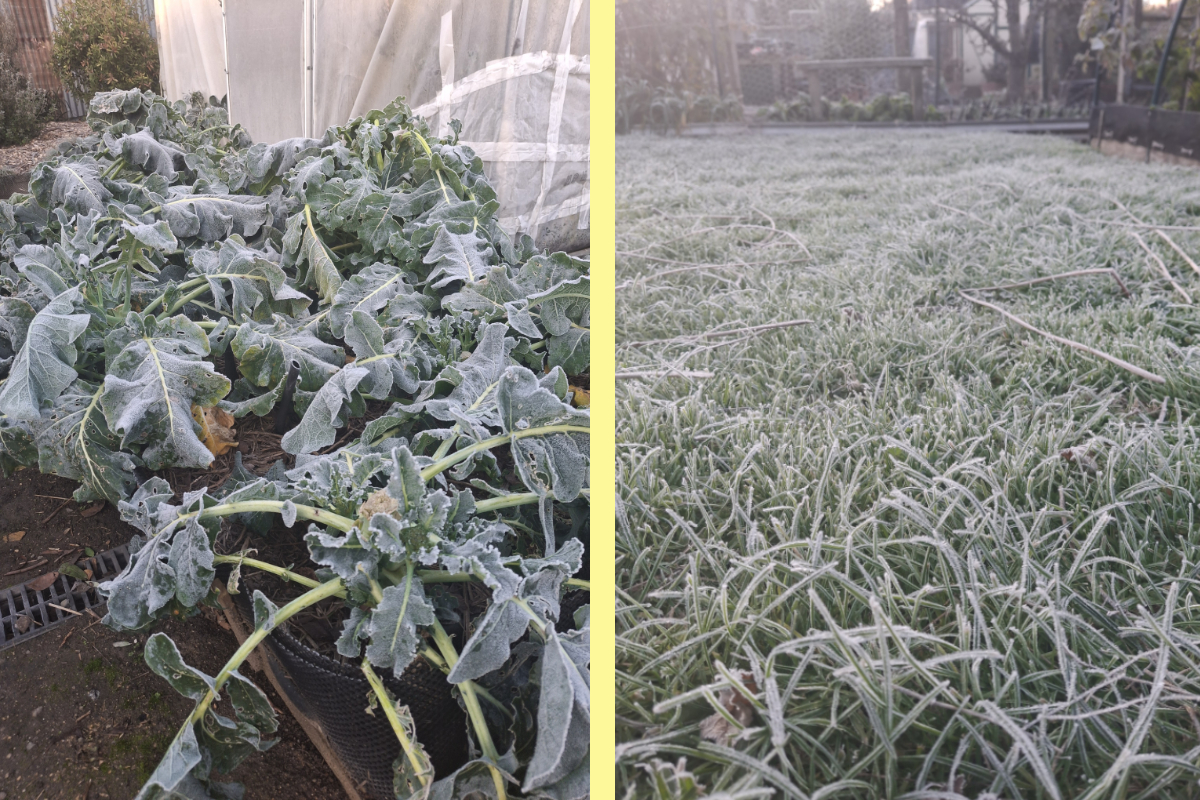
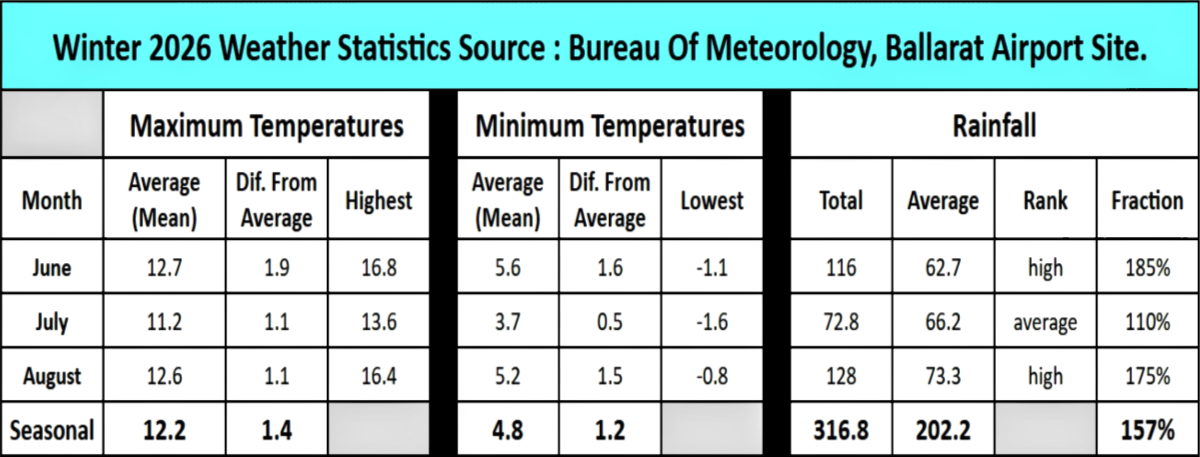
At 1.9 degrees above the maximum average temperature June was the warmest month this winter, though July and August also recorded above average temperatures, which in total meant that winter’s maximum temperature was  1.4 degrees above average.  The average minimum winter temperature was 1.2 degrees above average, though this did not mean that there were no frosty nights.  I recorded sixteen frosts in my garden this winter, eleven of them being heavy ones, though none of the frosts caused any serious damage.

As for rainfall, it was a wet winter.  The official recording from BOM’s Ballarat airport site was 316.8 ml, which was 157% of the average winter rainfall.  But I’m not complaining, with a strong El Niño event forecast for the next few months (which usually brings dryer conditions to South Eastern Australia) it is likely to be a dry summer, so an excess of water now is very welcome.

Despite the winter minimum temperature being 1.2 degrees above average I recorded sixteen frosts in my garden, eleven of them being heavy ones.

The official weather statistics for winter as recorded by the Bureau of Meteorology’s  Ballarat airport site.    Click HERE to see a higher resolution PDF of this weather chart. 

GARDEN
vegetables

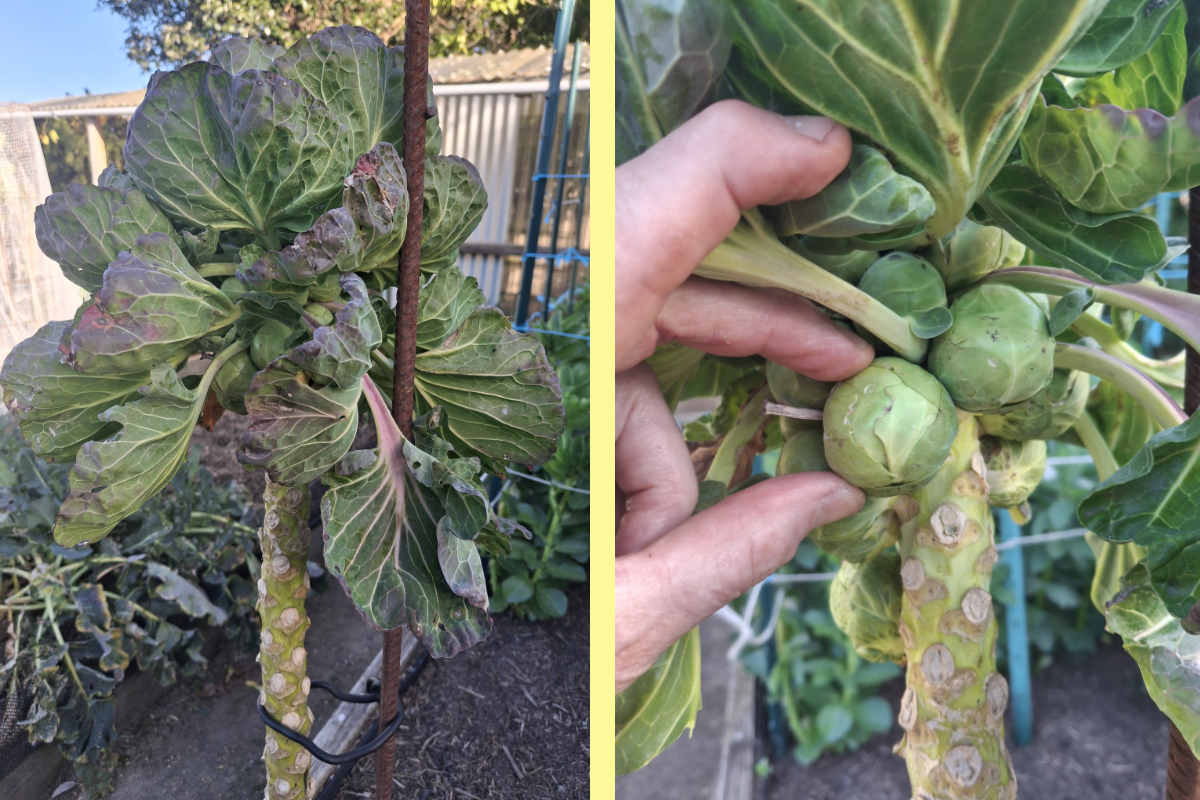
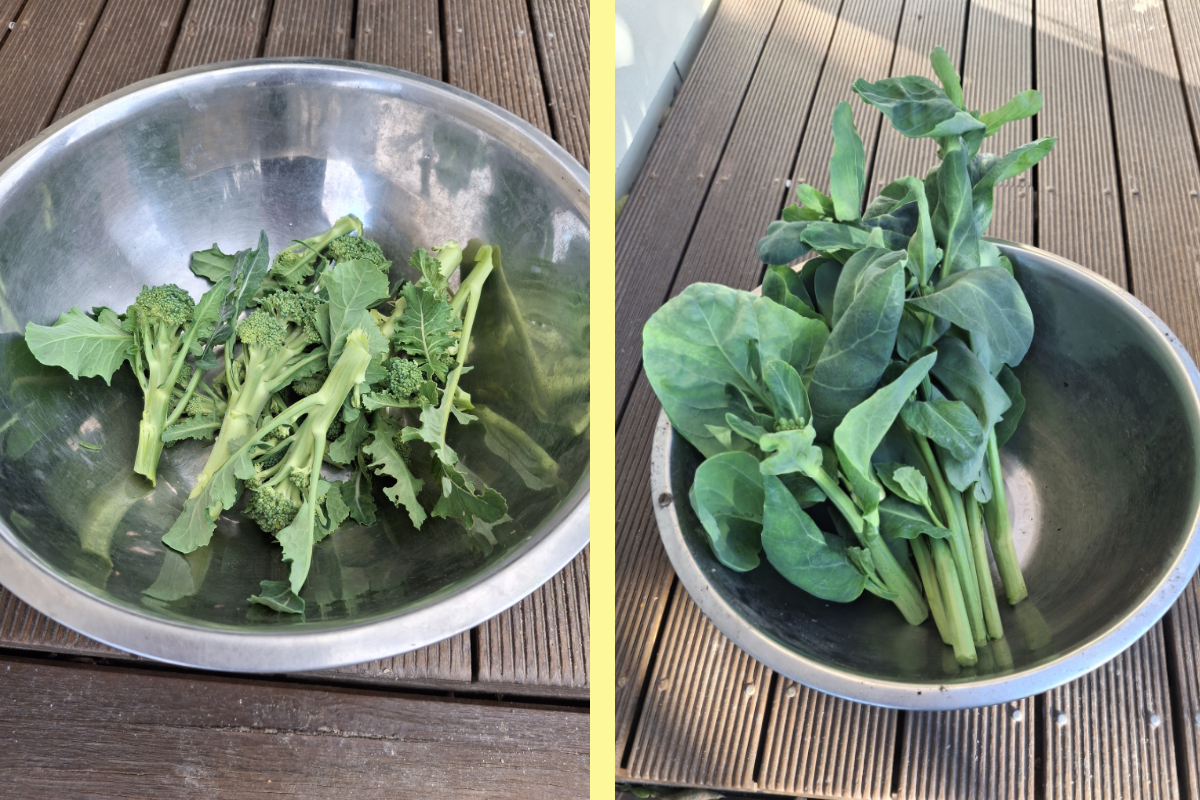
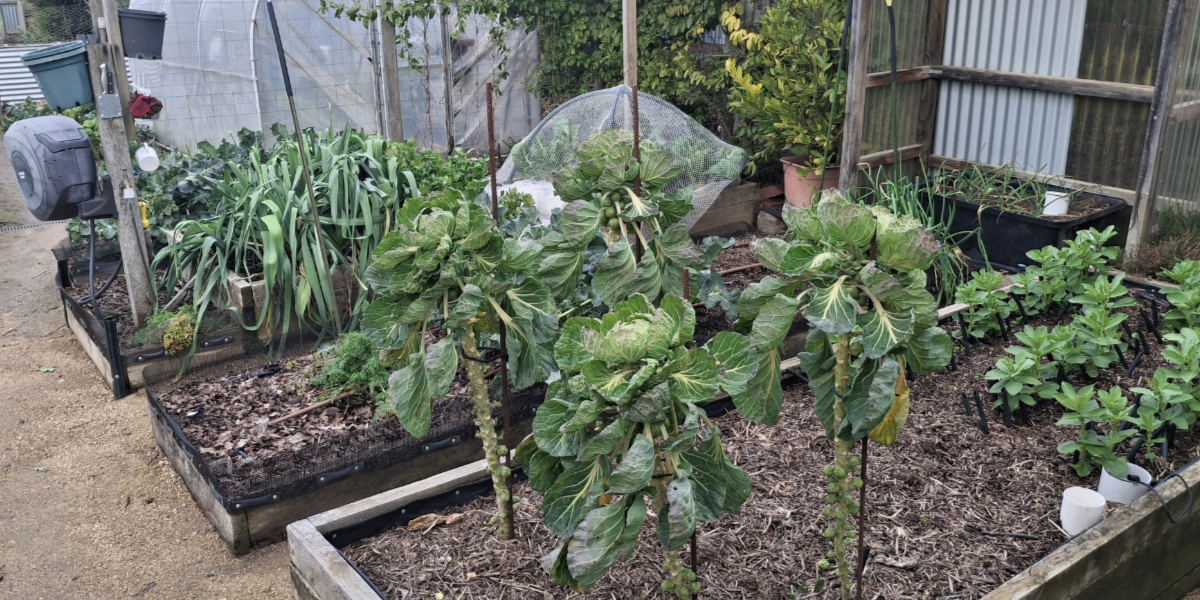
Overall my vegetable garden was very productive this winter with no disease issues and few pest problems.  While the main broccoli heads were harvested early (which I put down to the warmer than average autumn) I continued to pick a good number of secondary heads throughout the winter.  I planted Chinese broccoli for the first time in years and they were very productive.  My brussels sprouts produced a good crop with fairly good sized sprouts.

Perhaps the biggest disappointment was that the potato harvest finished on the 23rd of June, which was much earlier than usual, though this was largely due to the potatoes beginning to sprout in mid-autumn instead of late winter, brought on by the warm and wet conditions we had in autumn.

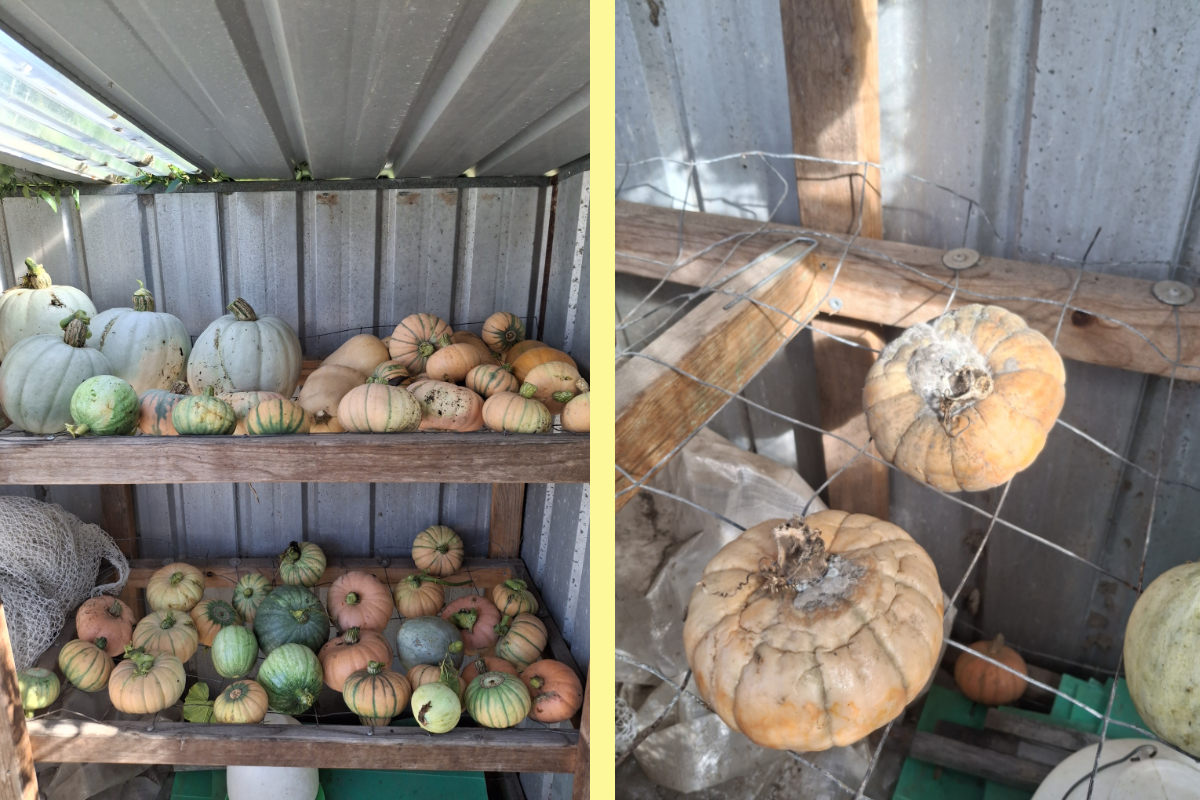
The pumpkin harvest has also not turned out to be as good as I had hoped. Although we harvested 53 pumpkins in the autumn the Grey Crown pumpkins (which are a long keeper) that I planted had crossed with an unknown variety, while this crossed produced a large number of smaller orange coloured pumpkins they have not kept well, which means we probably will run out of pumpkins to eat at a much earlier date than the usual time of around the start of December.

My brussels sprouts plants produced a good crop of sprouts that were of a fairly good size.  

LEFT:  Some of the broccoli secondary heads that I harvested this winter.  RIGHT: Chinese broccoli stems.

LEFT:  The pumpkins that we harvested in late autumn.  RIGHT: Some of the crossbred pumpkins that went off prematurely.  

greenhouse vegetables

Both greenhouses produced good crops of lettuces, rocket, Chinese broccoli and coriander this winter.  Two of my chilli plants also survived the winter giving us a steady supply of fresh chillies, which was very welcome.

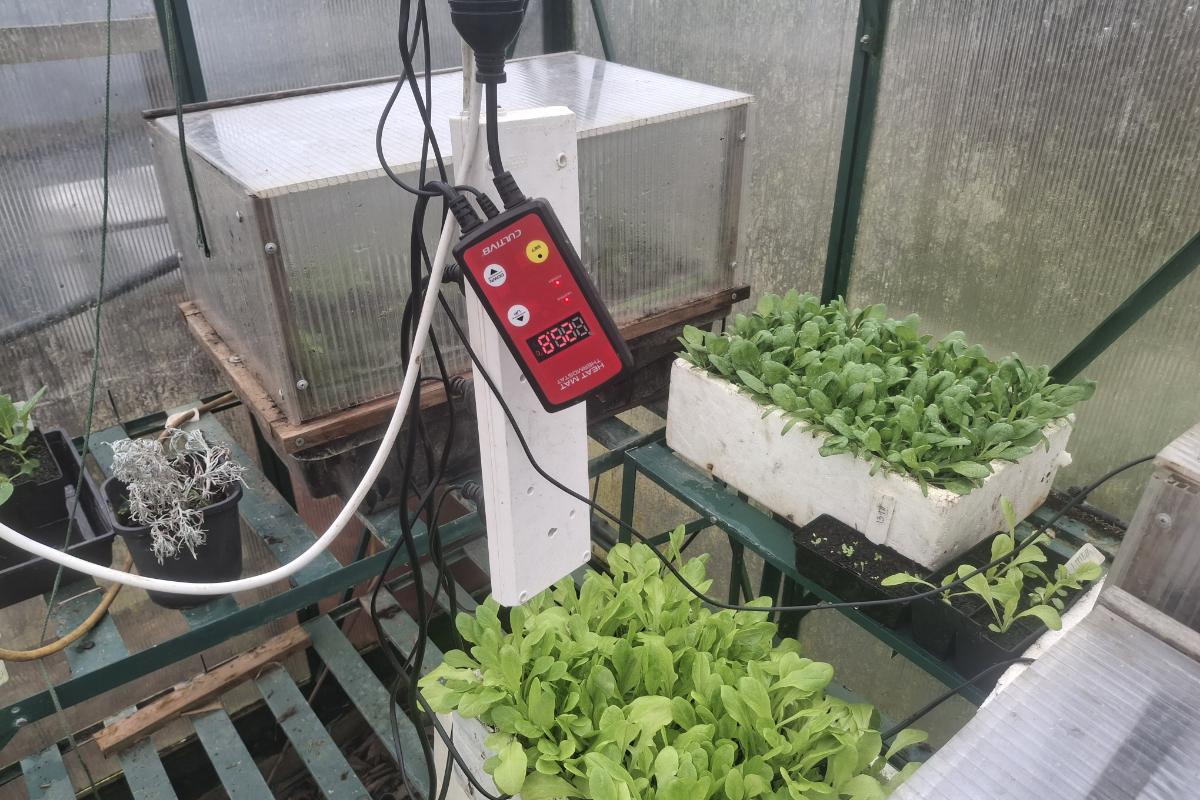
Cutting lettuces and baby spinach in styrofoam boxes in my propagation greenhouse.  The plants in the inner frame are early season tomatoes seedlings on an aquarium heater hot box.

Fruit trees

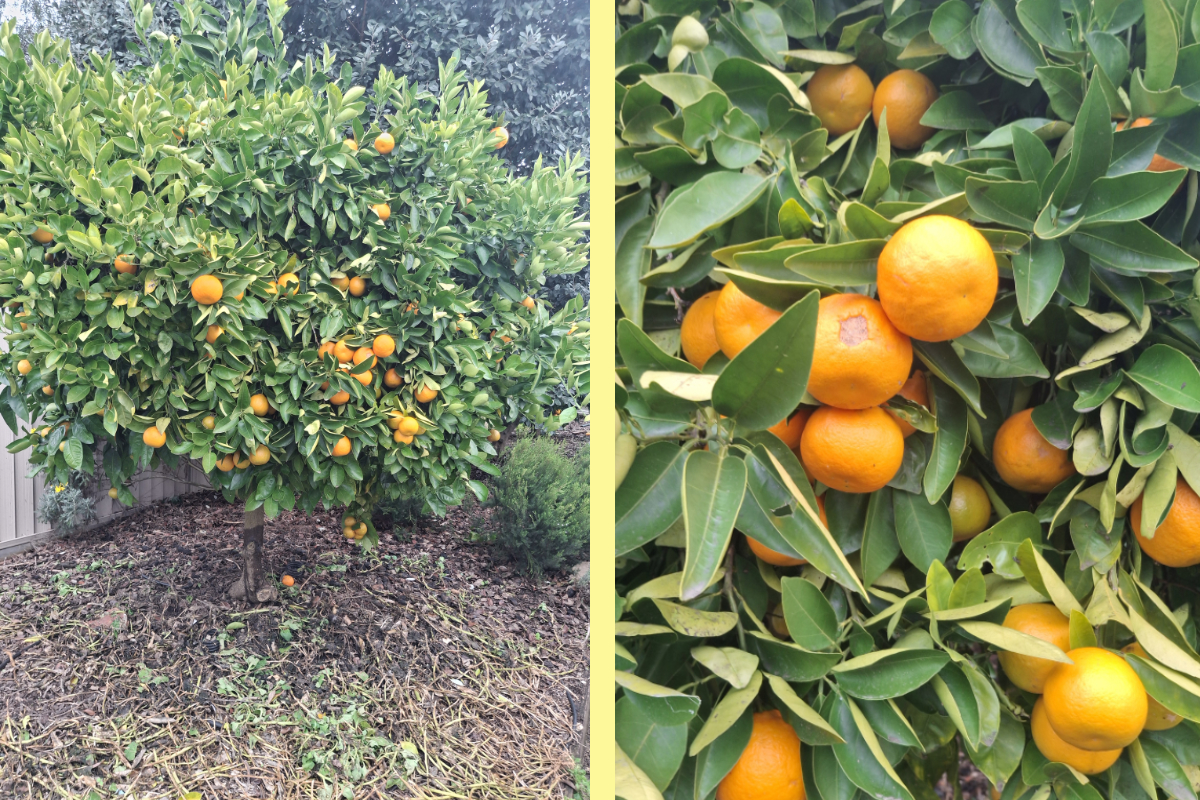
Both the Washington Navel and the Lane’s Late (a variant of Washington Navel) orange trees produced poor crops this year but the Seminole Tangelo continued to live up to its reputation of being my most reliable citrus tree by producing yet another good crop.

My Seminole Tangelo tree.  While Seminole tangelos have pips the fruit is extremely juicy, which makes them ideal for squeezing juice, which is mostly what I use them for.

chickens

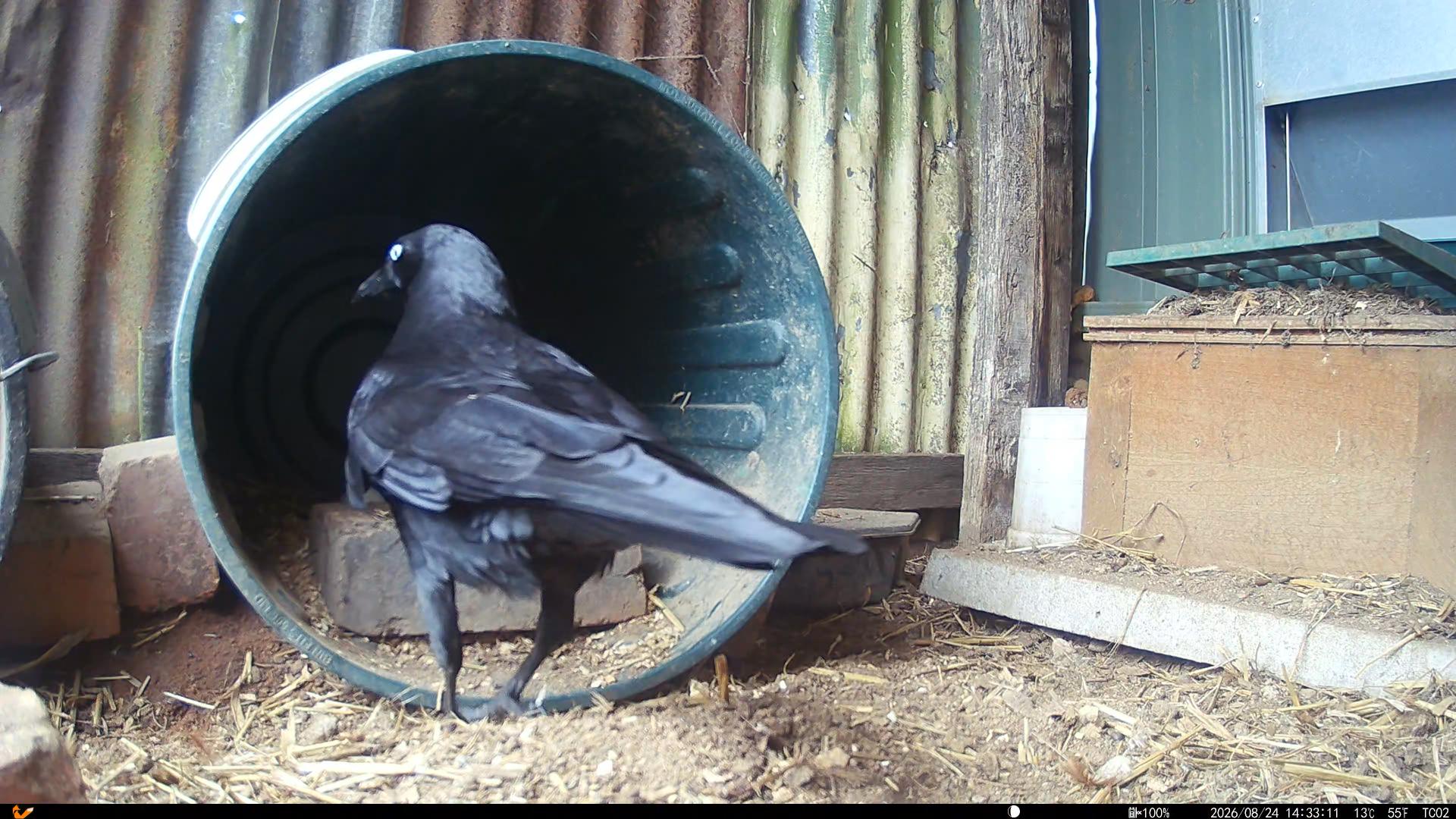
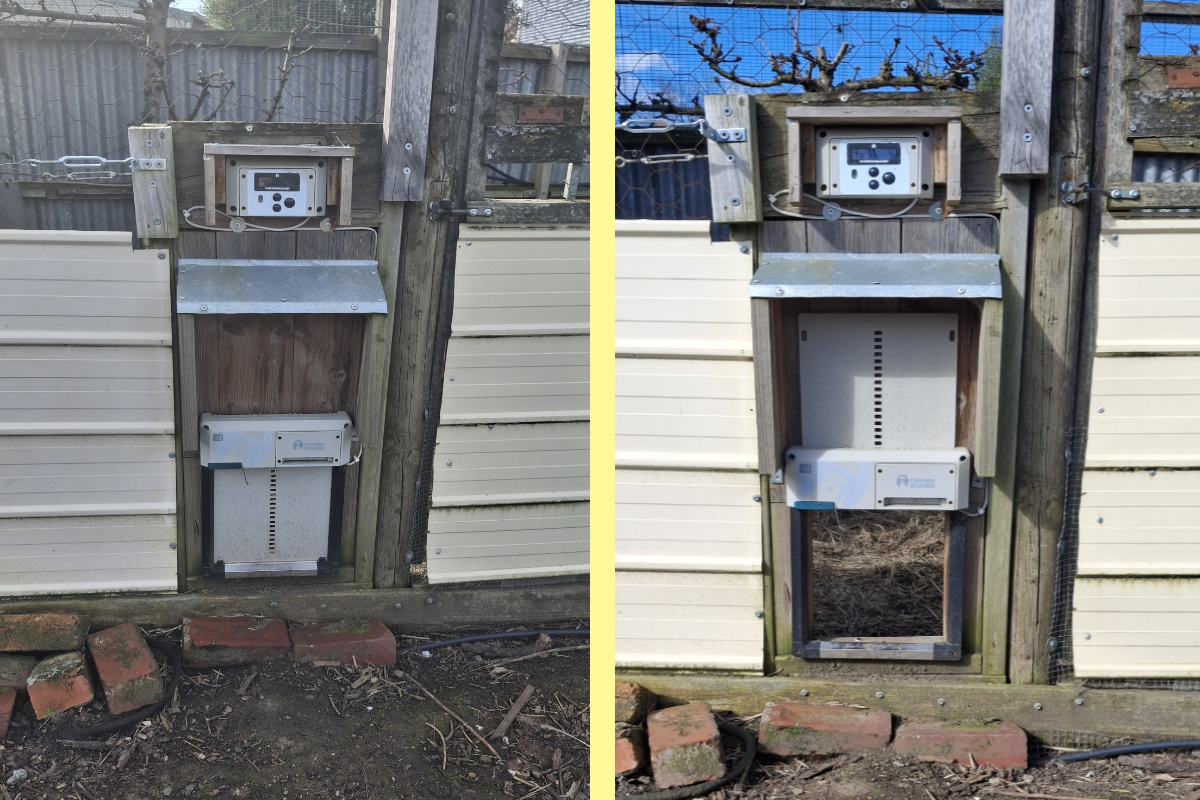
The hens stopped laying at the start of June, appearing to have gone into a heavy moult.  Given that they are three years old this is not unusual but what was surprising was that two months into winter I still didn’t have a single egg.  Then I discovered that a young raven had become bold enough to walk through my automatic chicken door and steal the few eggs that the chickens had begun to lay.  My solution was to change the opening time of the automatic chicken door from 8:30 in the morning until 12 noon.  As hens mostly lay their eggs in the morning I was then able to collect any eggs they laid before the raven had a chance to raid the nest boxes, though the hens have not been happy with their loss of access to the main run in the morning.

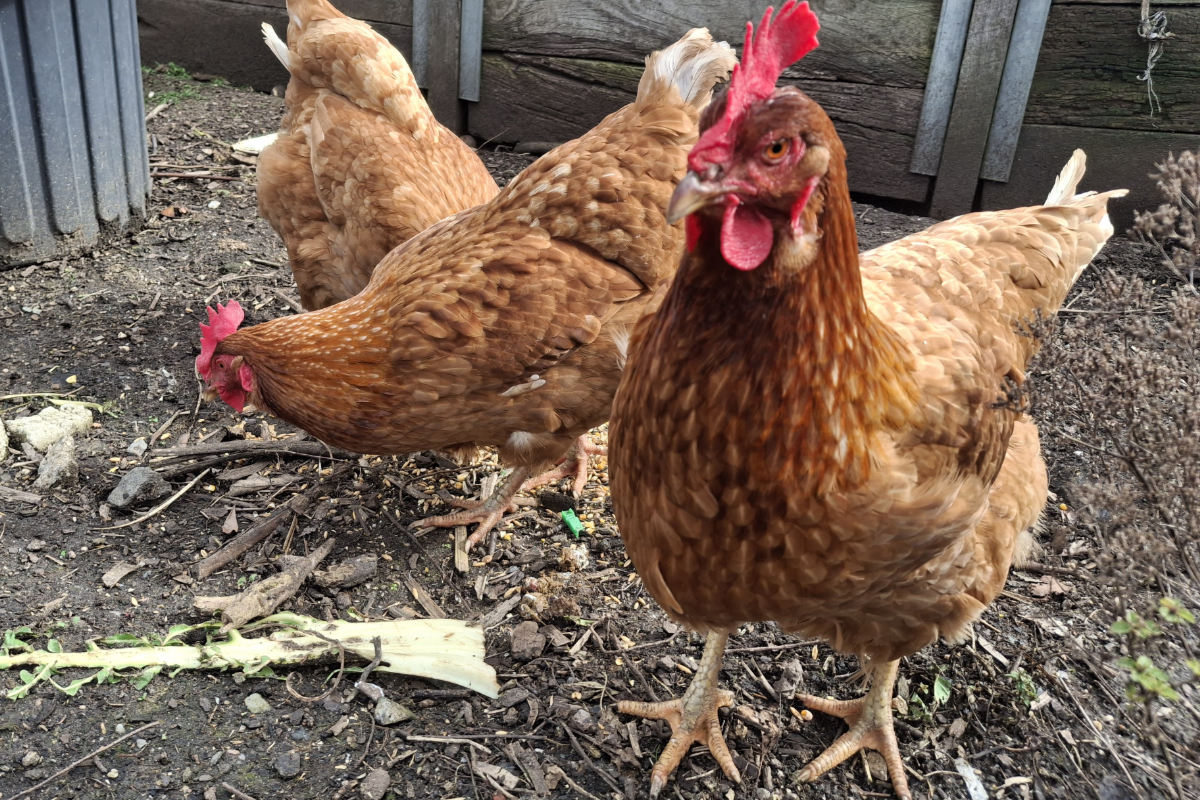
During the winter one of the hens died of unknown causes, which leaves me with just three.

My three remaining hens in the main chicken run.

The miscreant young raven that has been stealing the eggs.  It was caught in the act using a camera trap.

LEFT: The closed automatic chicken door.  RIGHT: The automatic chicken door when open.  This door provides access from the completely enclosed deep litter run and chicken coop and the larger outdoor chicken run.  The raven has learnt to walk through it when open.

RELATED POSTS

Urban Climate

Urban environments have a big impact on local climate patterns as they generate and store huge amounts of heat.  Understanding

Read More »