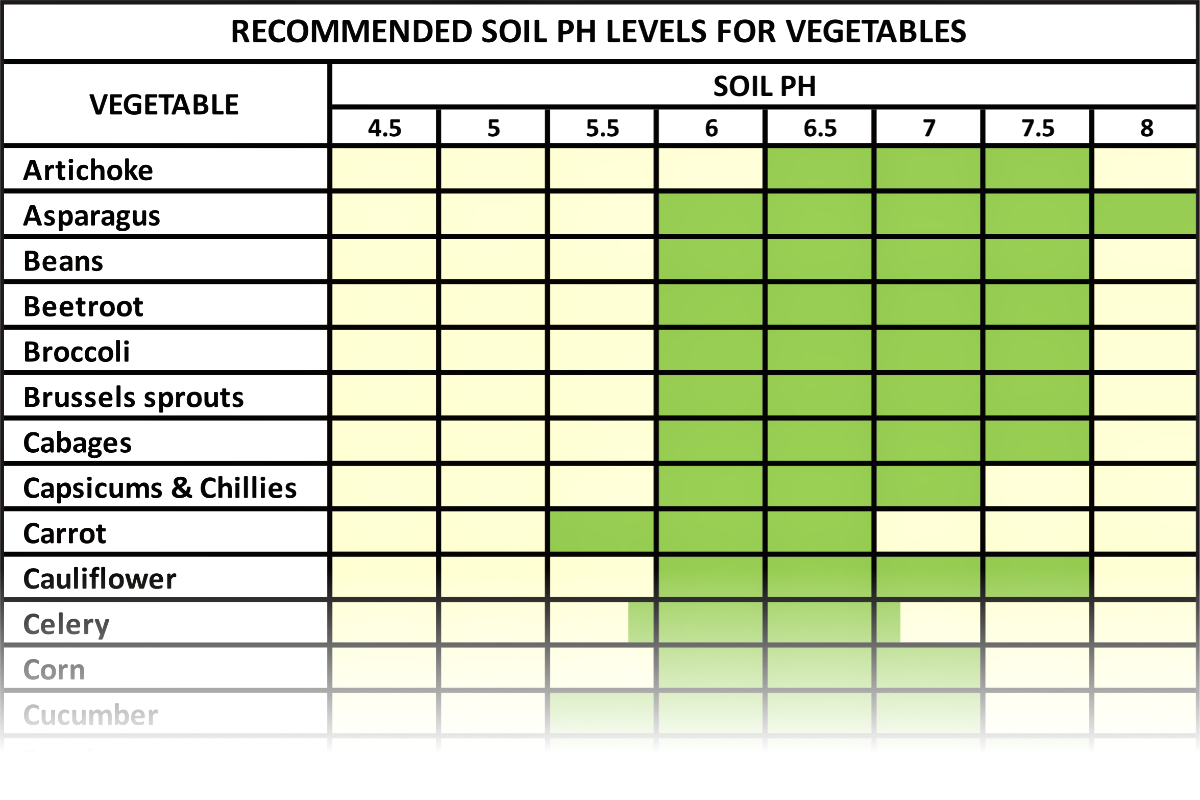
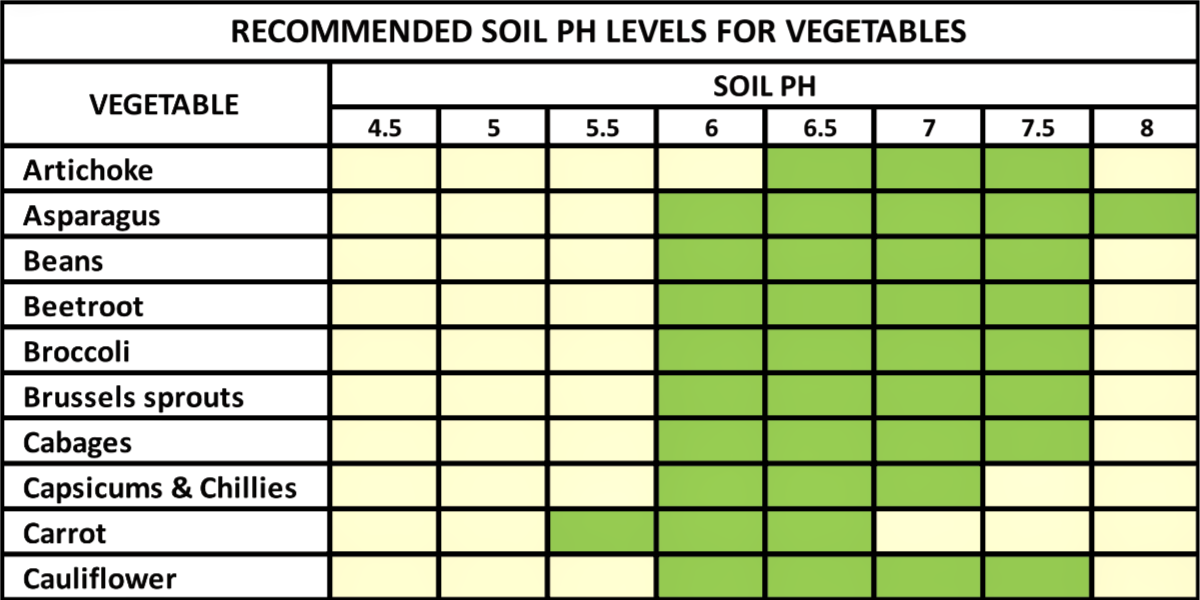
Soil pH measures how acidic or alkaline your soil is on a scale from 0 to 14, with 7 being neutral. Some vegetables can handle a fairly wide soil pH range while others prefer more acidic or alkaline soils. This page offers a downloadable printable PDF chart listing the desired soil pH ranges for key vegetables, as well as information relating to soil pH.
To download a printable PDF of this chart click HERE.
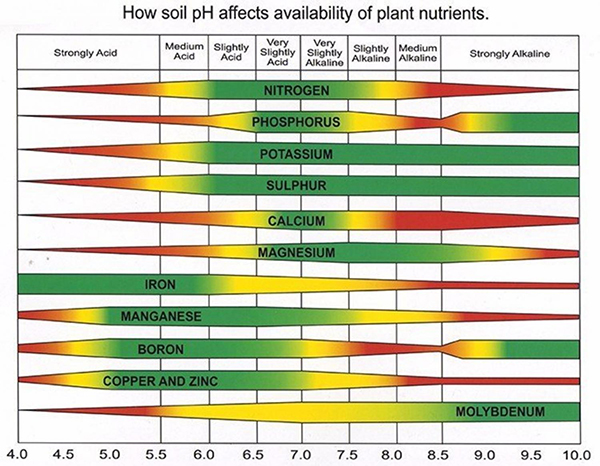
Plant nutrients become available or unavailable according to the soil’s pH level. Most vegetables thrive on a slightly acid soil. However, some prefer slightly alkali soils while others need very acidic soils. Poorly performing plants do not necessarily mean that the trace elements they require aren’t present in the soil, it is just that if the pH of the soil does not match the plant’s preferred soil pH range the plant will not be able to absorb these elements.
Chart showing how soil pH affects the availability of plant nutrients. Chart courtesy of the internet.
There are numerous pH test kits and probes available for testing soil pH. For more information on the options see Testing Soil pH
If the pH of your soil is not compatible with the vegetables you want to grow you will need to adjust the pH level.
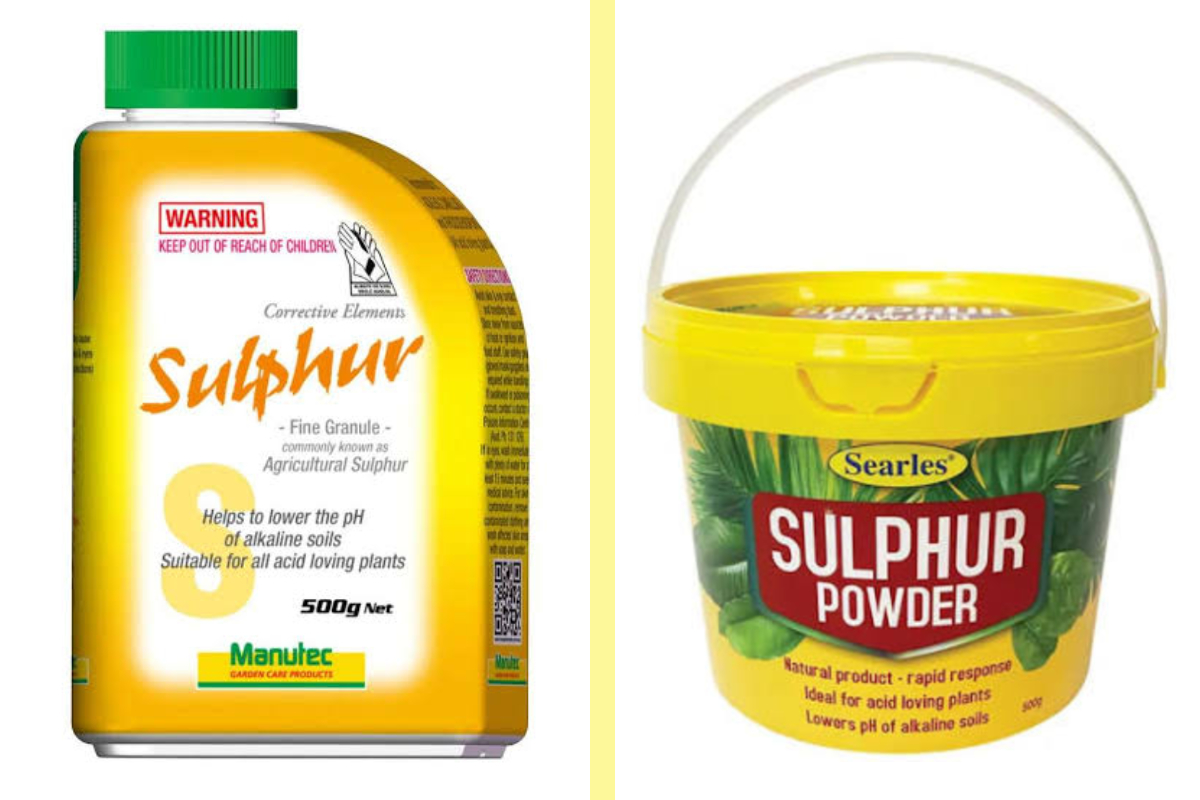
Adding compost, animal manure, leaf matter or grass clippings will gradually lower the pH of your soil. Though avoid chicken manure and mushroom compost as they tend to increase alkalinity. If you need to lower the pH of your soil quickly then add powdered Sulphur, though only as directed on the package.
Examples of Sulphur powder products used to lower soil pH, images courtesy of the internet.
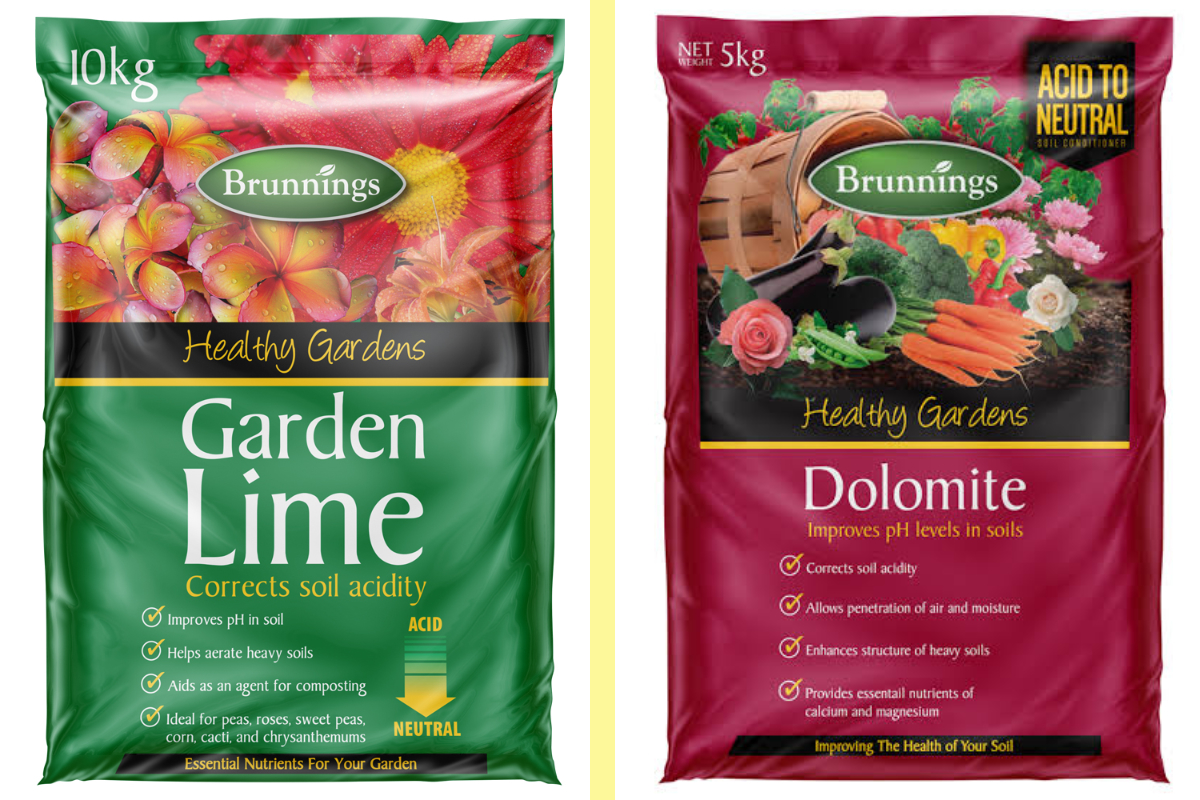
To raise the pH of your soil add lime or dolomite. Lime acts much faster while dolomite adds magnesium, an element essential for healthy soil.
Some examples of products available to raise soil pH, images courtesy of the internet. LEFT: Lime (Calcium carbonate) raises the pH of soil more rapidly than dolomite and is best used if your soil only needs calcium. If enough is applied it will raise the pH of soil above 7.0. RIGHT: Dolomite (calcium magnesium carbonate) will raise the pH of soil, though more slowly than lime. It generally will not push the pH much higher than about 7.0. It is best used when soil is deficient in magnesium.
This chart was put together from sources on the internet. As it only records the pH levels for key vegetables it is not as comprehensive as some other soil pH charts but it is easy to use, a good ready reference chart to keep in your gardening tool box.


