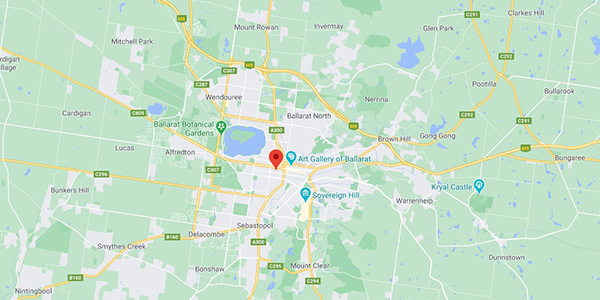
Season summary for my food garden in Ballarat (Victoria), Spring, 2025. This is mainly of relevance to food gardeners in the Ballarat area, but it might be a useful comparison for those living further afield.
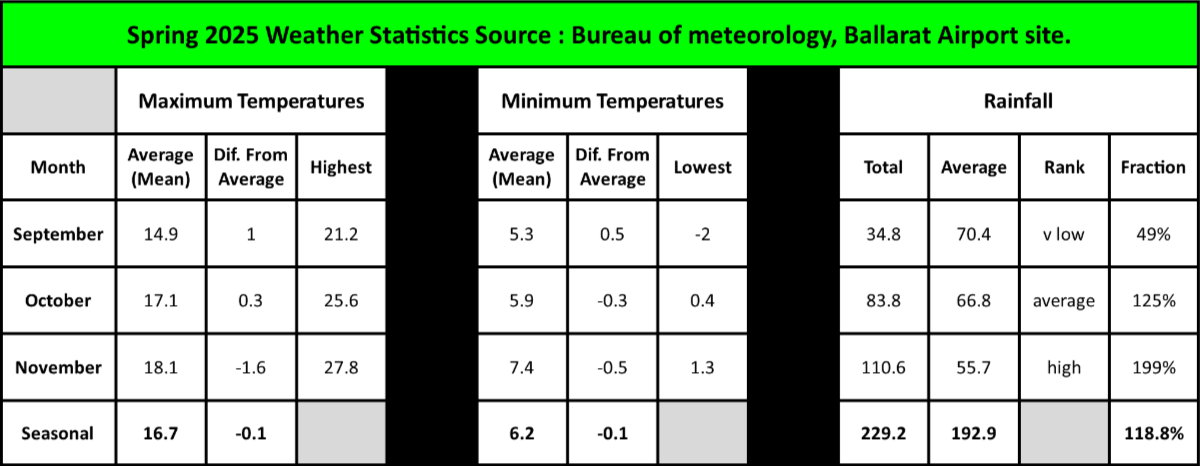
Ballarat’s weather this spring was extremely chaotic. While September’s average temperature was 1 °C above the long term average there were huge temperature variations throughout the month. October was .3 °C above average while November plunged back into wintery conditions with a whopping 1.6 °C below average. November’s big freeze gave us an average spring temperature of minus .1 °C. While the spring temperatures were pretty well average the extreme temperature swings we experienced meant it felt far from average.
The rainfall for spring was 118% of the average spring rainfall but again the readings were extreme. September had just 49% of the average rainfall while November had almost 200%.
The official weather statistics for Winter as recorded by the Bureau of Meteorology’s Ballarat airport site. Click HERE to see a higher resolution PDF of this weather chart.
vegetables
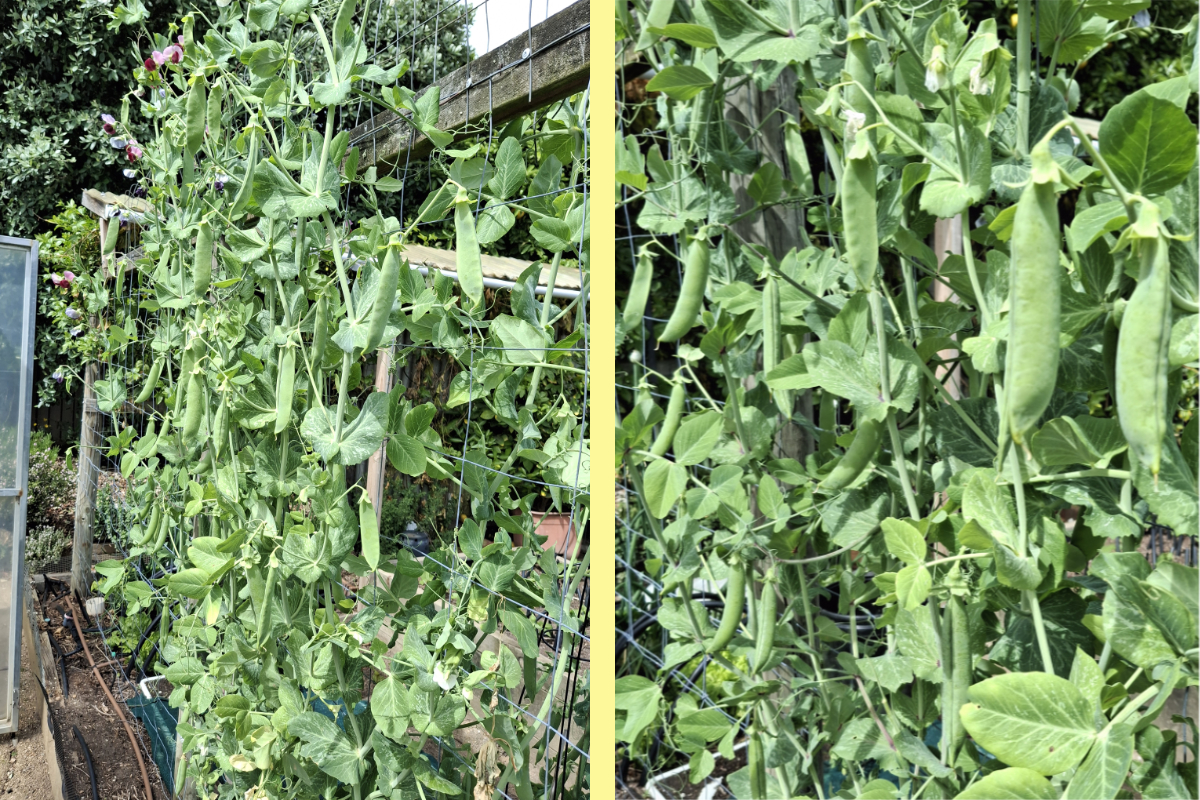
The much colder than average November temperature meant that just about every vegetable has been slow to get going, partially brought on by delayed plantings due to numerous disruptions caused by rain and stormy weather. The spring lettuces were good, as where the broad beans. And while the bush peas were poor the climbing peas have been excellent. The spring silverbeet and spinach crops were also good. The first plantings of carrots suffered some damage from slugs and snails, which seem to be more prevalent this spring, probably due to the wetter weather.
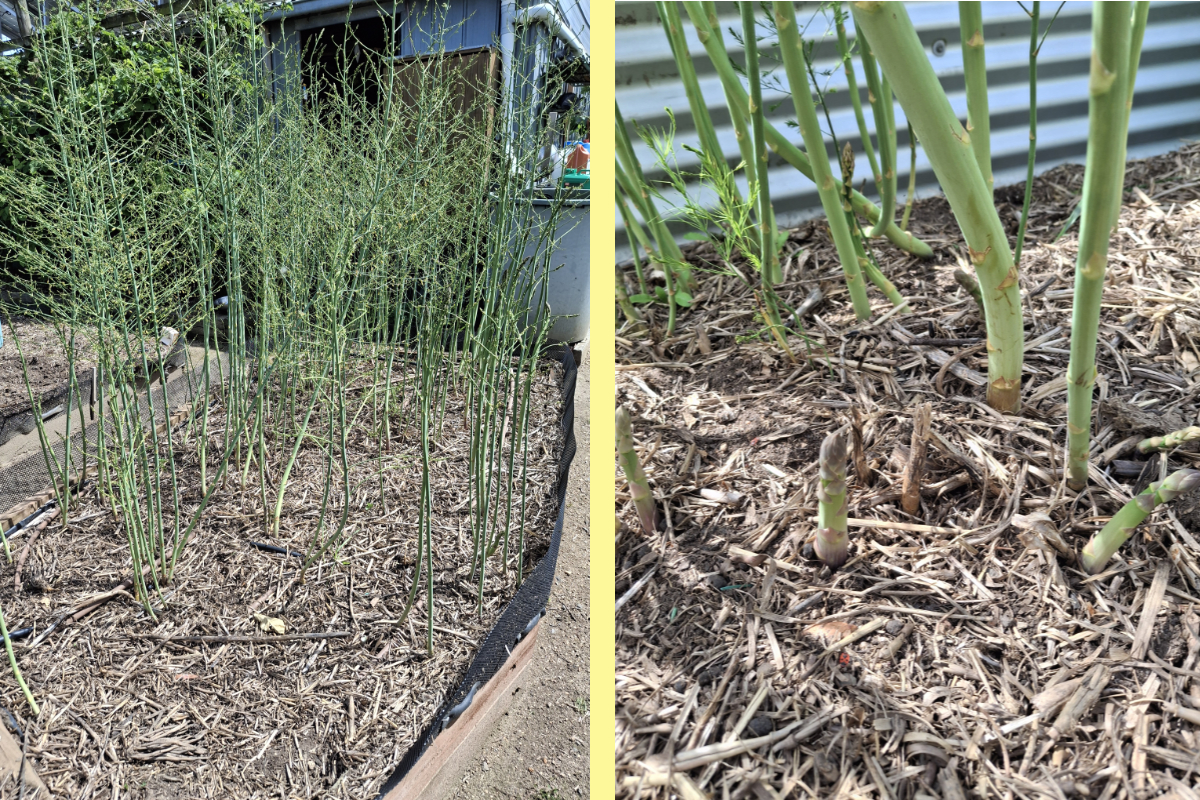
The biggest setback was a poor asparagus crop, but that was brought on by an excessive application of chicken manure burning the plants and not the weather.
The climbing pea crop was good this spring.
An excessive application of chicken manure burnt the plants and reduce the yield to about 20% of normal. However I think the yield will return to normal next season.
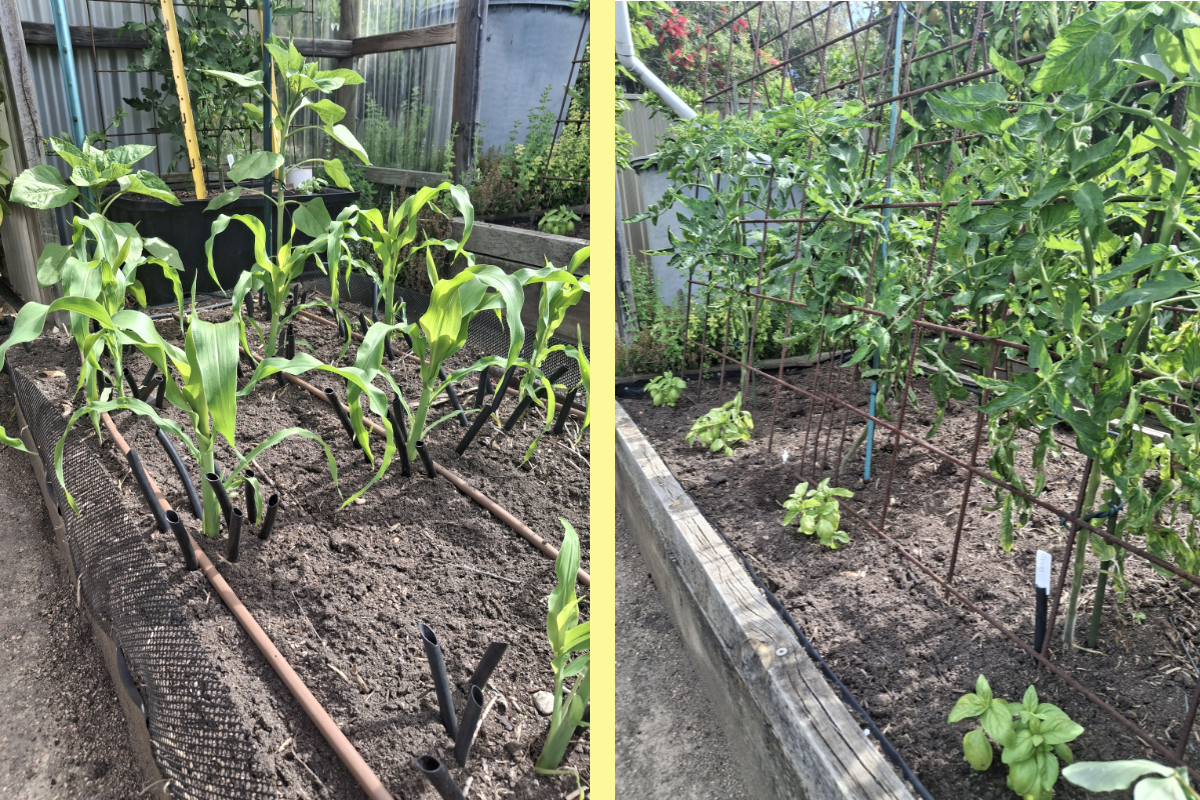
My corn and tomato plants growing in bare soil. I practice what I call seasonal mulching, part of which involves not mulching beds in spring until the soil has warmed up. The warmer the soil the faster the growth of the plants, however mulch acts as an insulating blanket keeping soil under it cooler than bare soil. In spring you need the soil to be as warm as possible. Normally I would have mulched these beds by late spring but due to November being so cold I have yet to do this.
For more information on seasonal mulching see Seasonal And Staged Mulching Of Vegetable Beds.
greenhouse vegetables
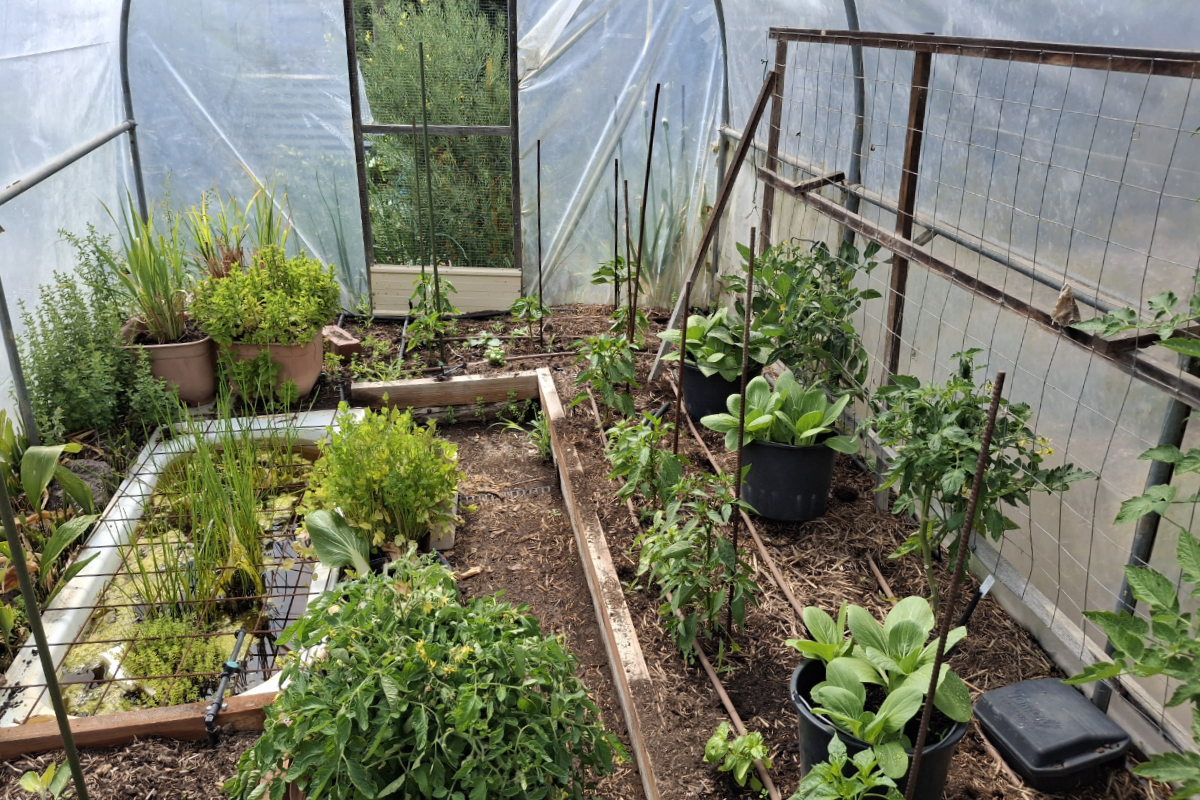
Despite the much colder than average November the vegetables in the greenhouses have progressed well. Though some of the eggplants are showing signs of a fungal disease.
My main greenhouse in lates spring.
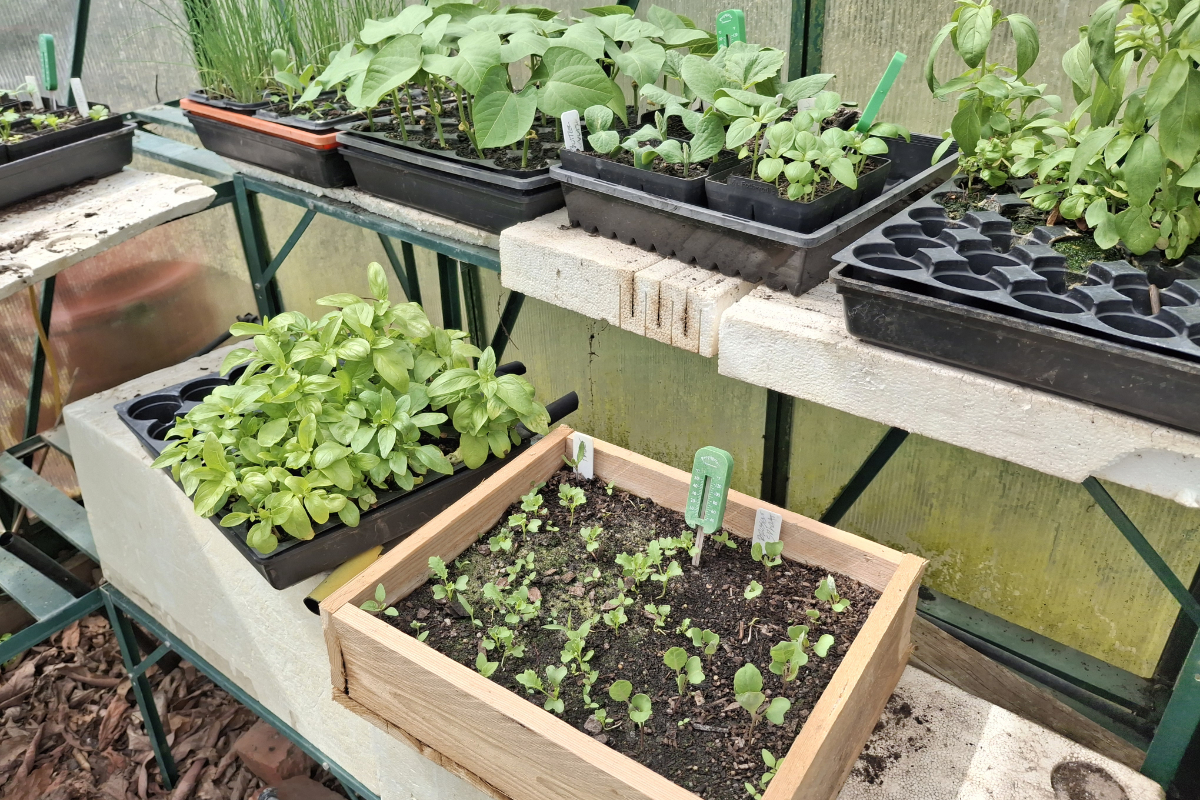
Some of the seedlings that I grew in my small greenhouse this spring. Most went well, though the strike rate for the corn grown in a single cell seedling tray was poor, I put 30 in but only seven came up. I grow all my own seedlings.
Fruit trees
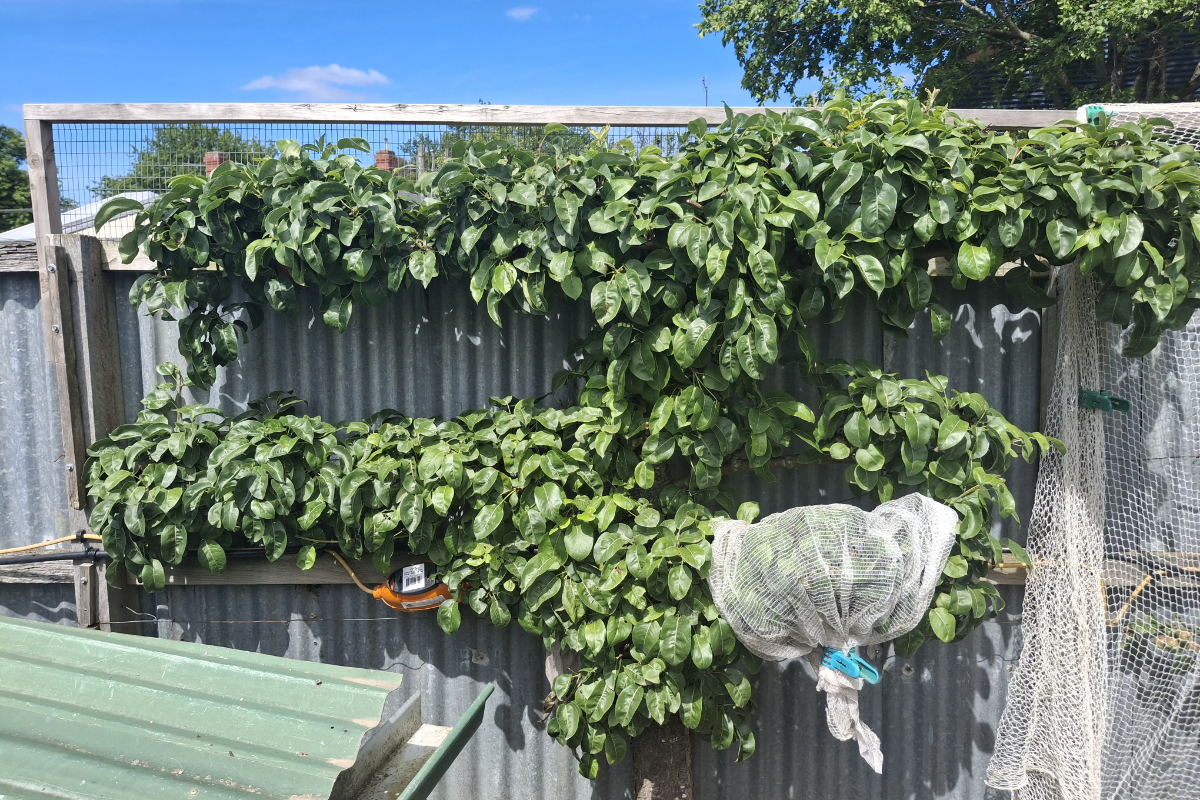
The fruit harvest won’t be nearly as big this season. Some of my apple and pear trees have set so few fruit that I won’t bother to net them, instead putting fruit bags on individual fruit or netting boughs where there has been a good localised strike rate. Though my Trixzie Pyvert and Nashi pear trees and my Johnathon and Cox’s Orange Pippin apple trees will produce good crops. I put the low level of fruit setting down to the erratic spring weather that we had.
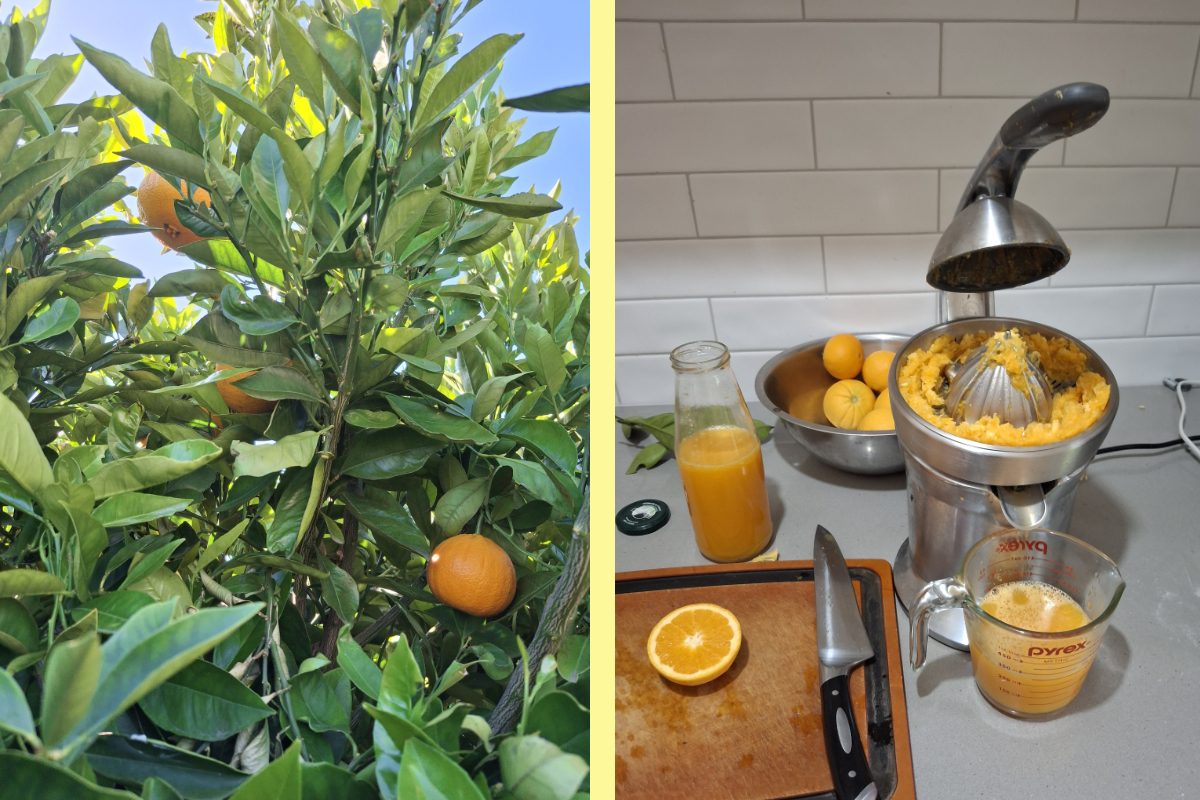
My Lanes Late orange tree still has beautiful juicy fruit on it, making it the best season I have ever had for this tree.
My Corella pear tree set so few fruit this season that I didn't net it, instead I put fruit bags on individual fruit and netted one of the boughs where there was a good localised strike rate.
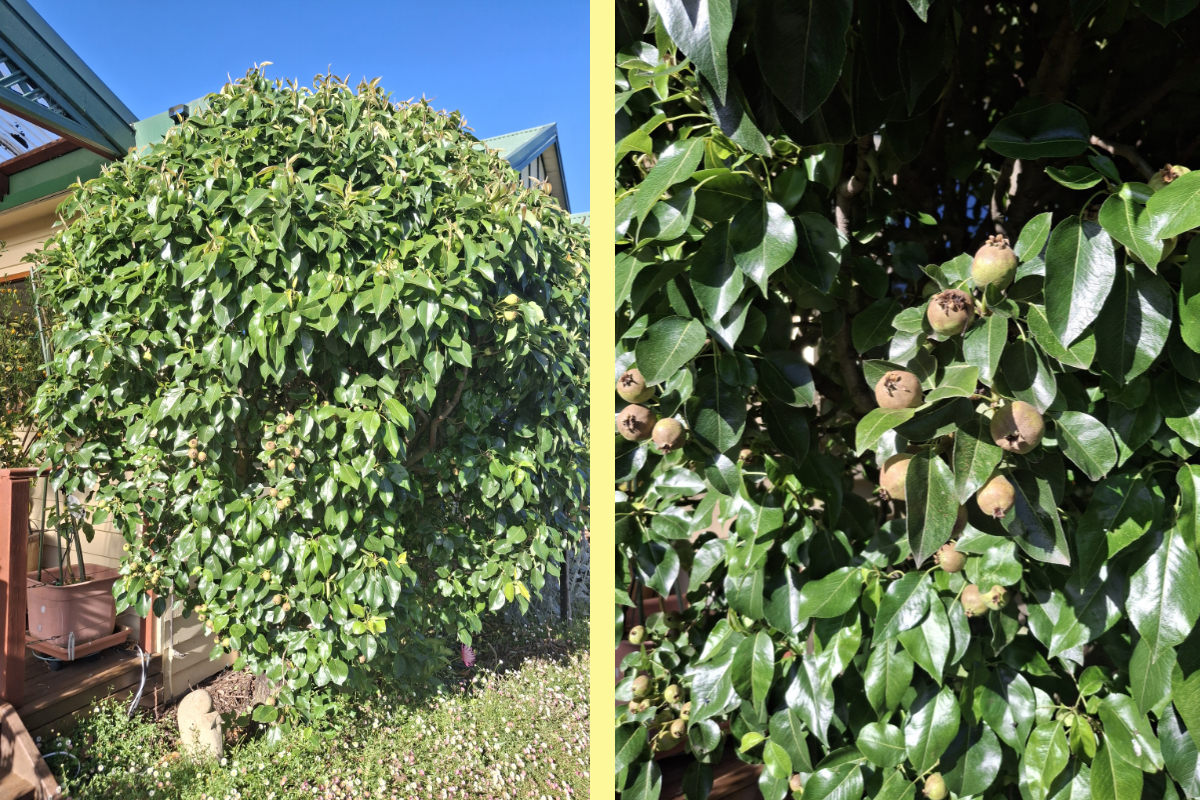
LEFT: My Trixzie Pyvert pear tree. It consistently produces a good crop of pears, though they are more of bottling pear than a fresh eating pear. RIGHT: Closeup of some of the developing fruit.
My Lanes Late (a variant of Washington Navel) orange still has fruit on it, most of which is squeezed into juice.
chickens
Our five hens averaged 3.4 eggs per day this spring, which is down on the figure for winter but still respectable. As the hens are into their third year a drop in egg output is to be expected.
There have been no signs of pests or diseases. Though one of the hens is still producing an occasional egg with a shell that is slightly thinner at the top. Only two eggs broke due to soft shells this spring.
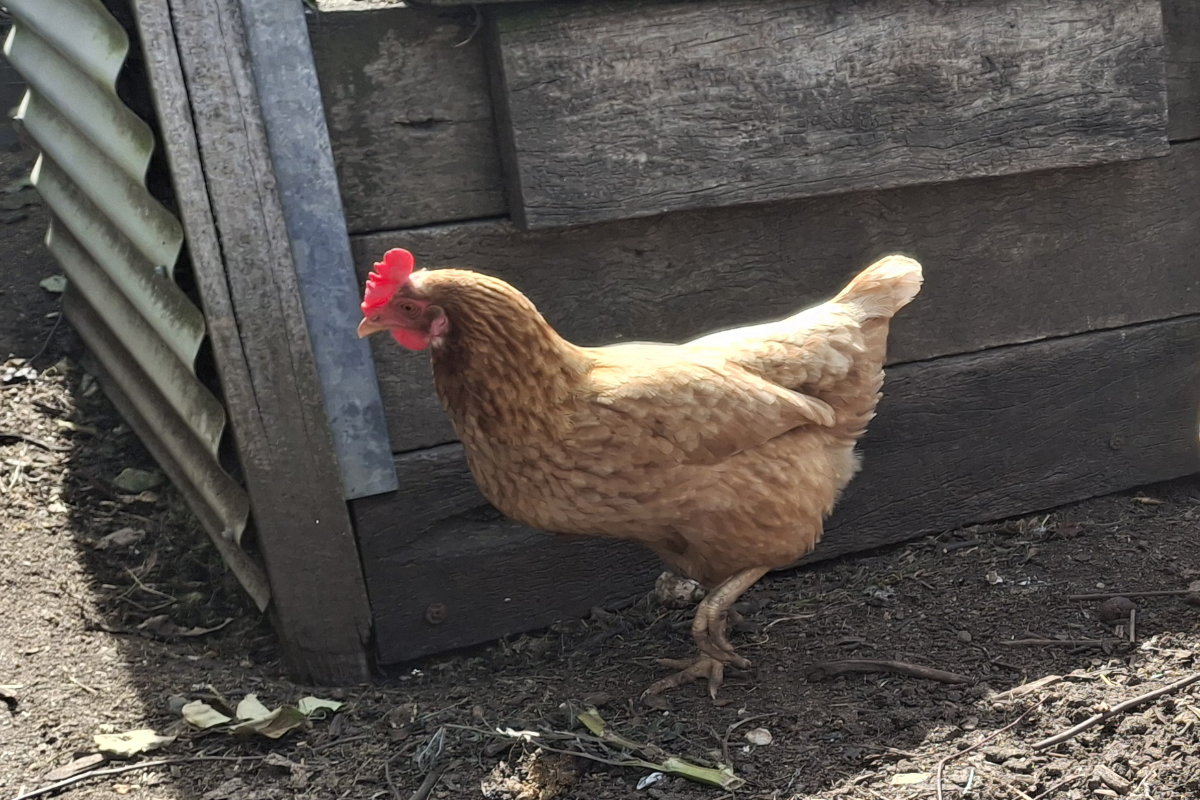
Photo of one of our hens taken in profile.