Search

Urban Food Garden

Vegetable Plant Life Cycles

Being aware of the different vegetable plant life cycles is useful as it gives you a better understanding of when to plant different vegetable varieties so you can maintain a continuous supply of fresh vegetables.

Vegetable plant life cycles

There are three types of vegetable plant life cycles:  perennial, bi-annual and annual.  Note that these  life cycles apply to all plants but as the website is about growing one’s own food I am limiting these terms to vegetables.  Though in some cases I have included plants that are described as herbs, but this posting does not include herbs in general.

Perennial

Perennial plants typically live for more than three years.  A perennial vegetable plant will continue to produce a crop each year for the life of the plant.  Vegetables that are perennials include:-

Asparagus, rhubarb, artichoke, sorrel, Jerusalem artichoke, horseradish, chives, tree onion, scarlet runner beans, and lovage.

Two examples of perennial vegetables.  LEFT: Asparagus.  RIGHT: Rhubarb.

Bi-annual

A by-annual vegetable plant completes its life cycle in two growing seasons.  During the first growing season, biennials produce roots, stems, and leaves. In the second growing season, they produce flowers, fruits, and seeds, and then they die.  Examples of bi-annual vegetables include:-

Beetroot, Brussels sprouts, cabbage, carrots, cauliflower, celery, silverbeet, collards, kale, kohlrabi, leek, onion, parsley, parsnip, salsify, swede, and turnip.

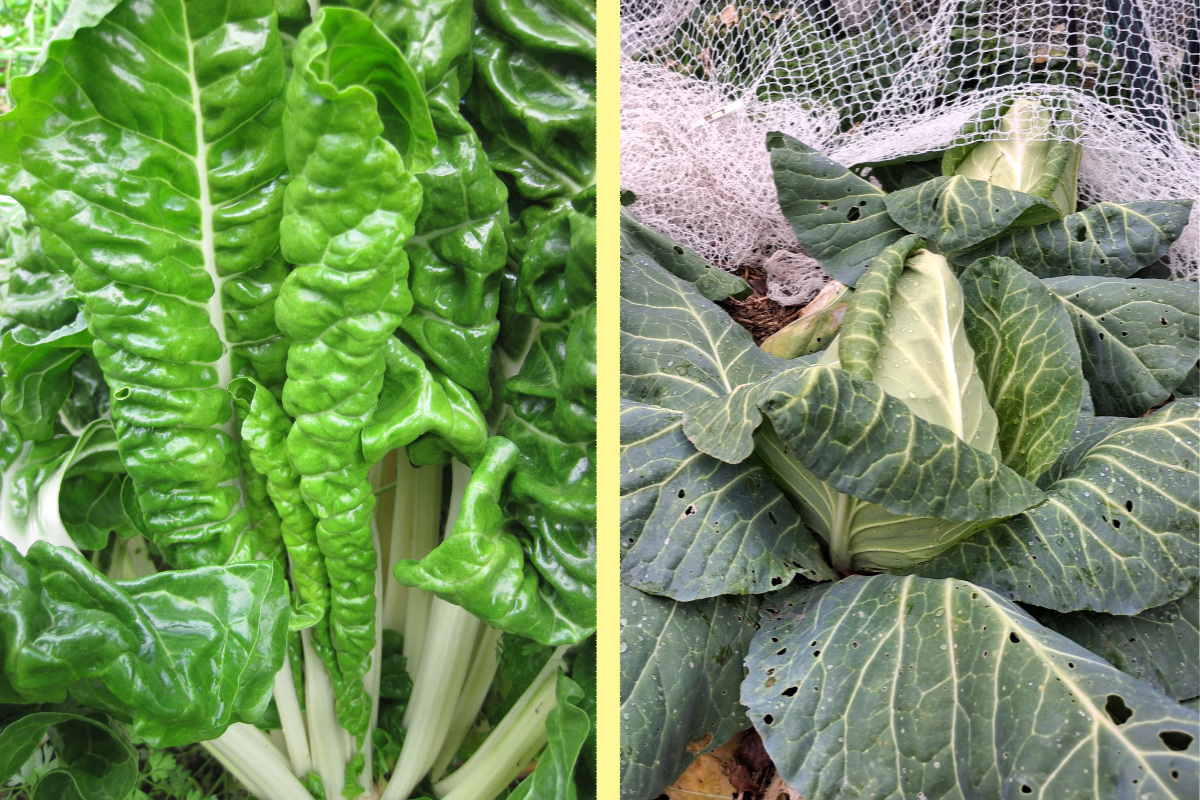
Two examples of by-annual vegetable plants.  LEFT: Silverbeet.  RIGHT: cabbage.

Annual

An annual vegetable plant completes its life cycle, from germination to the production of seeds, within one growing season, and then dies.  Examples of vegetable plants that are annuals include:-

Lettuce, tomatoes, spinach, carrots, radishes, beans, kale, onions, peas, and cucumbers.

Short cycle annuals

Arguably there is a sub group of annual plants that I have described as short cycle annuals. These plants mature to the point of harvesting within a short enough period that they can be planted multiple times during a season, which is usually described as staggered planting. Examples of vegetable plants that are short cycle annuals include:-

Lettuce, rocket, Pak choi, bush beans, coriander and baby spinach.

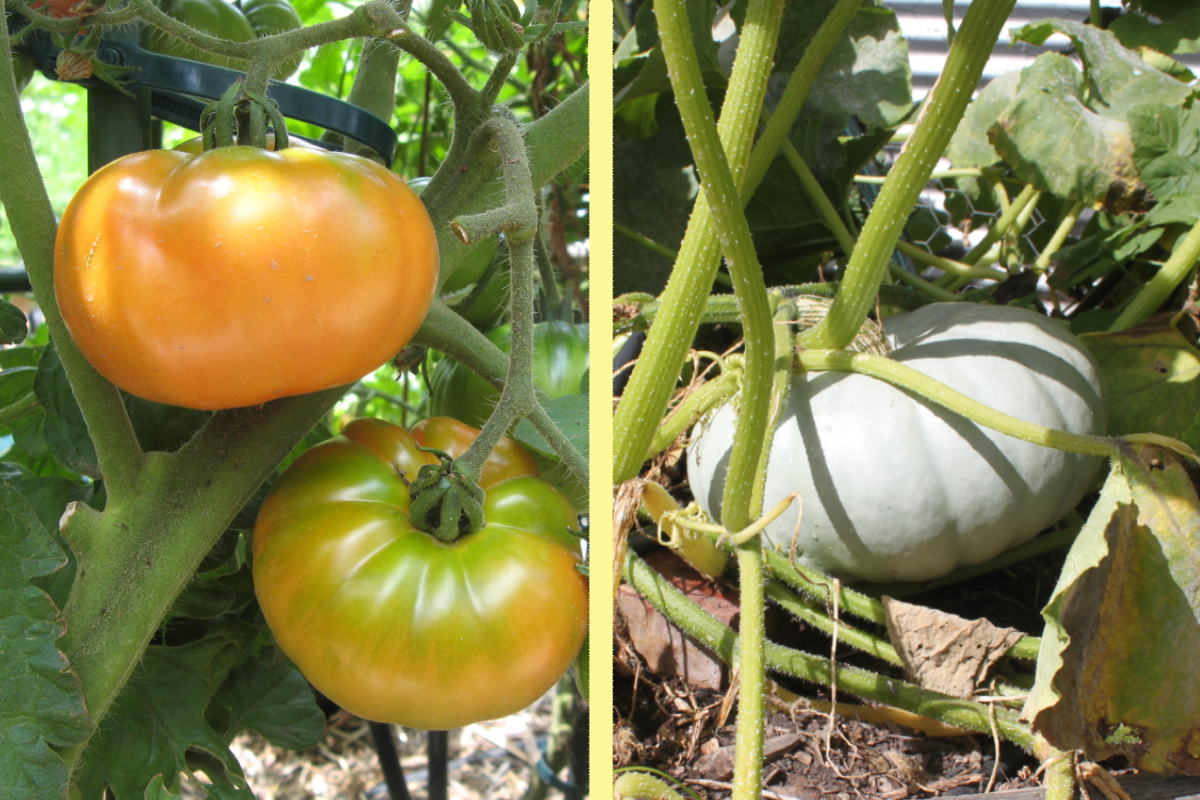
Two examples of annual vegetables.  LEFT: Rouge de Marmande tomato.  RIGHT:  Grey Crown pumpkin.

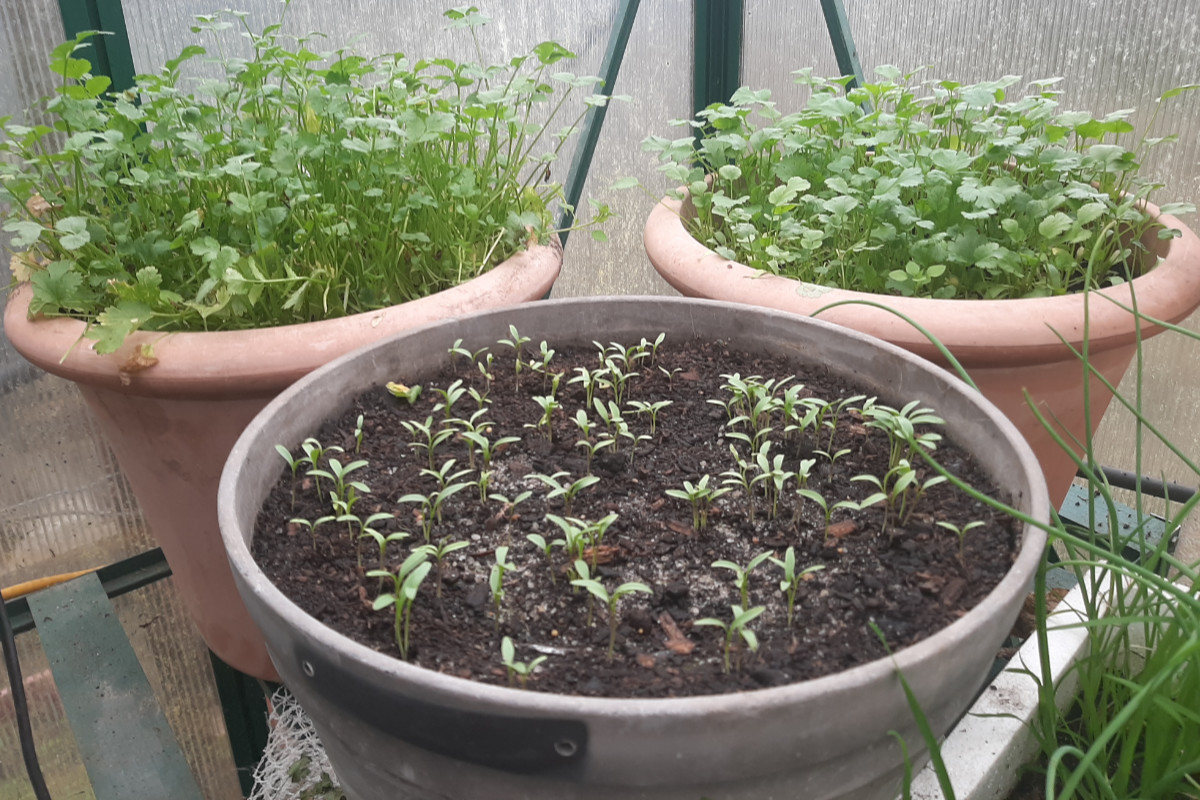
Coriander is a good example of a short cycle annual vegetable plant as it is quick to go to seed.  I routinely plant a pot of coriander every four to six weeks throughout the year (in the greenhouse in winter) as it is the only way to ensure a steady supply of fresh coriander.

Crossover plants

There are a number of vegetable plants that can be listed in more than one plant life cycle category, depending on circumstances and preferences.  Some examples are:-

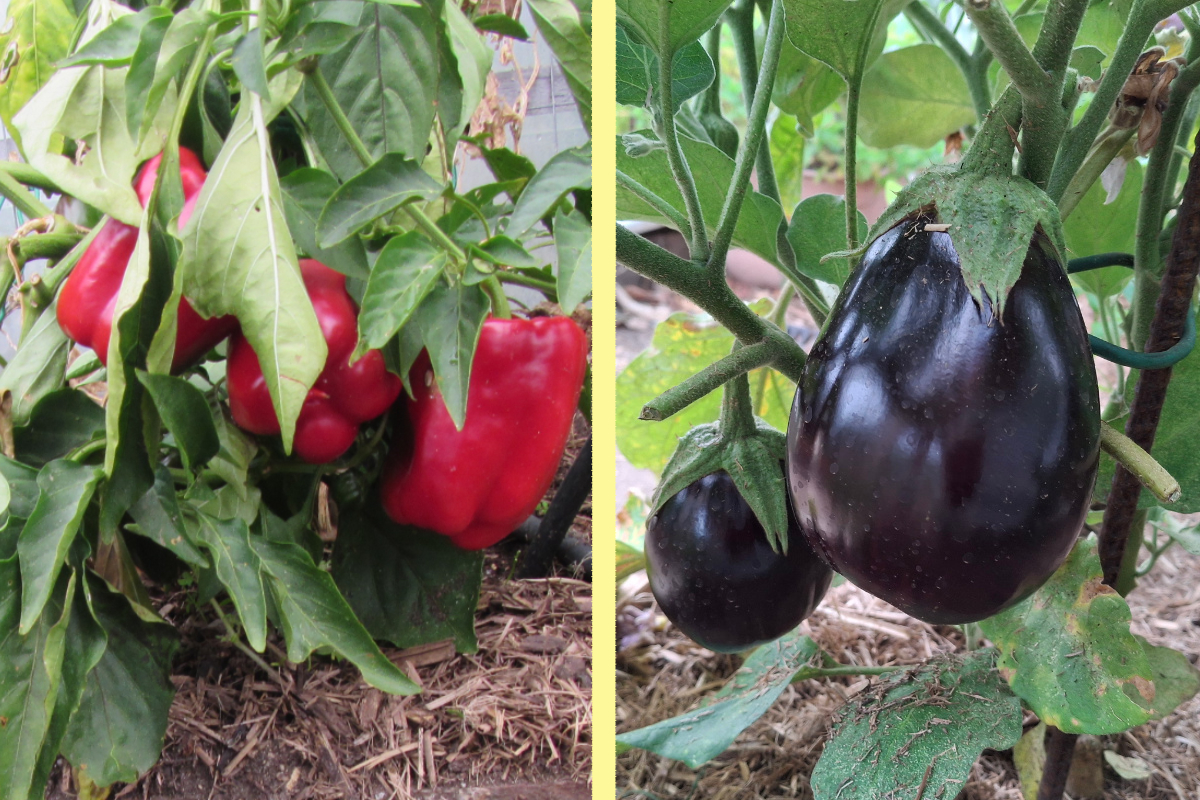
  • Eggplant and capsicum are grown as perennials in the tropics and sub-tropics but as annuals in temperate climes due to their inability to survive cold winter conditions.

  • Broccoli can be grown both as an annual and as a bi-annual, depending on whether they are planted early or late in the season.

  • Lettuces, carrots and radishes can be grown as an annual or as a short cycle annual, depending on how fresh you want these vegetables to be.

Two examples of vegetable plants that are grown as perennials in the tropics and sub-tropics but as annuals in temperate climes.  LEFT: Californian Wonder capsicum.  RIGHT: Black Beauty eggplant.

Applying plant life cycles to garden practices

Awareness of the different vegetable plant life cycles will give you a better understanding of both when to plant and when those planted vegetables will be ready to harvest.  In fact knowing the likely time to harvest is as  important as the planting time.  For information on harvest times for key vegetables download the PLANTING DISTANCES AND HARVEST TIMES pdf.

RELATED POSTS